11 Glitch Artists You Should Know (With Portfolios)
1. jrdsctt

Jarid is a Minneapolis-based digital artist, graphic designer, and photographer whose work blends databending, pixel sorting, and analog photography into dense, layered compositions. His “Anaglych 2.0” and “Monoglitchic” series layer multiple corruption passes to create pieces that feel simultaneously chaotic and carefully structured.


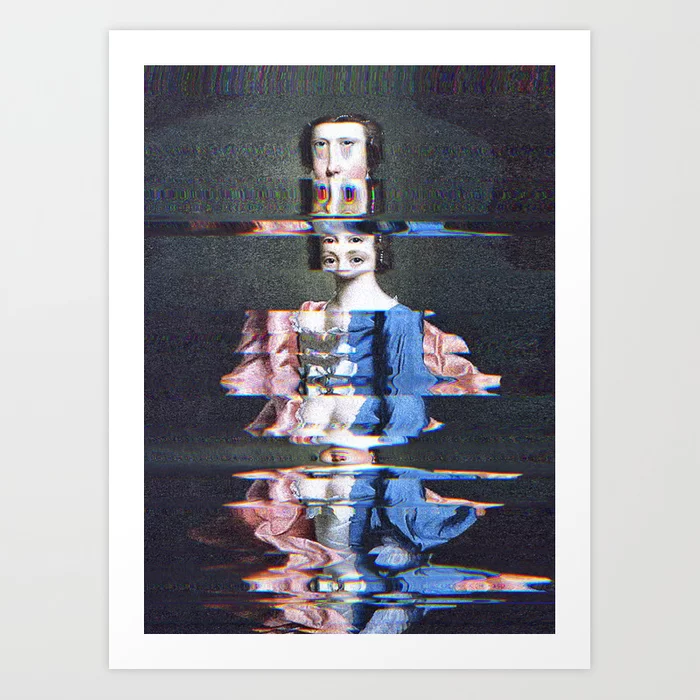
- Portfolio: jrdsctt.com
- Prints: Available on Society6, including works like “mononoglitchic_20” and the “anaglych_2.0” series
2. Sabato Visconti

Sabato Visconti is a glitch photographer who corrupts digital camera firmware and memory cards to produce distorted images at the moment of capture — not in post-production. His landscapes and portraits glitch in-camera, giving each image an authenticity that post-processed effects can’t replicate. His work demonstrates that databending extends beyond software into the hardware itself.


- Website: sabatobox.com
3. Peder Norrby
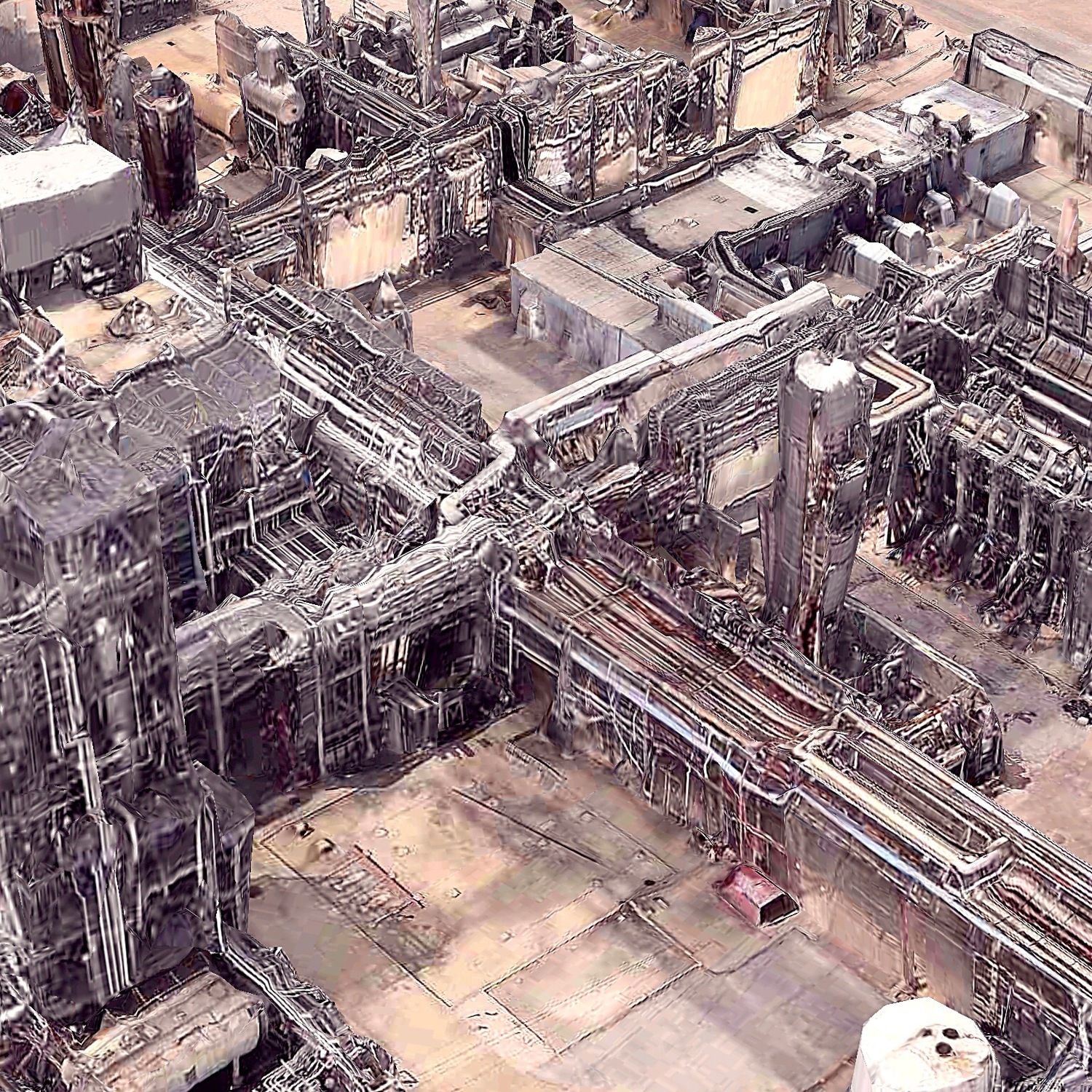
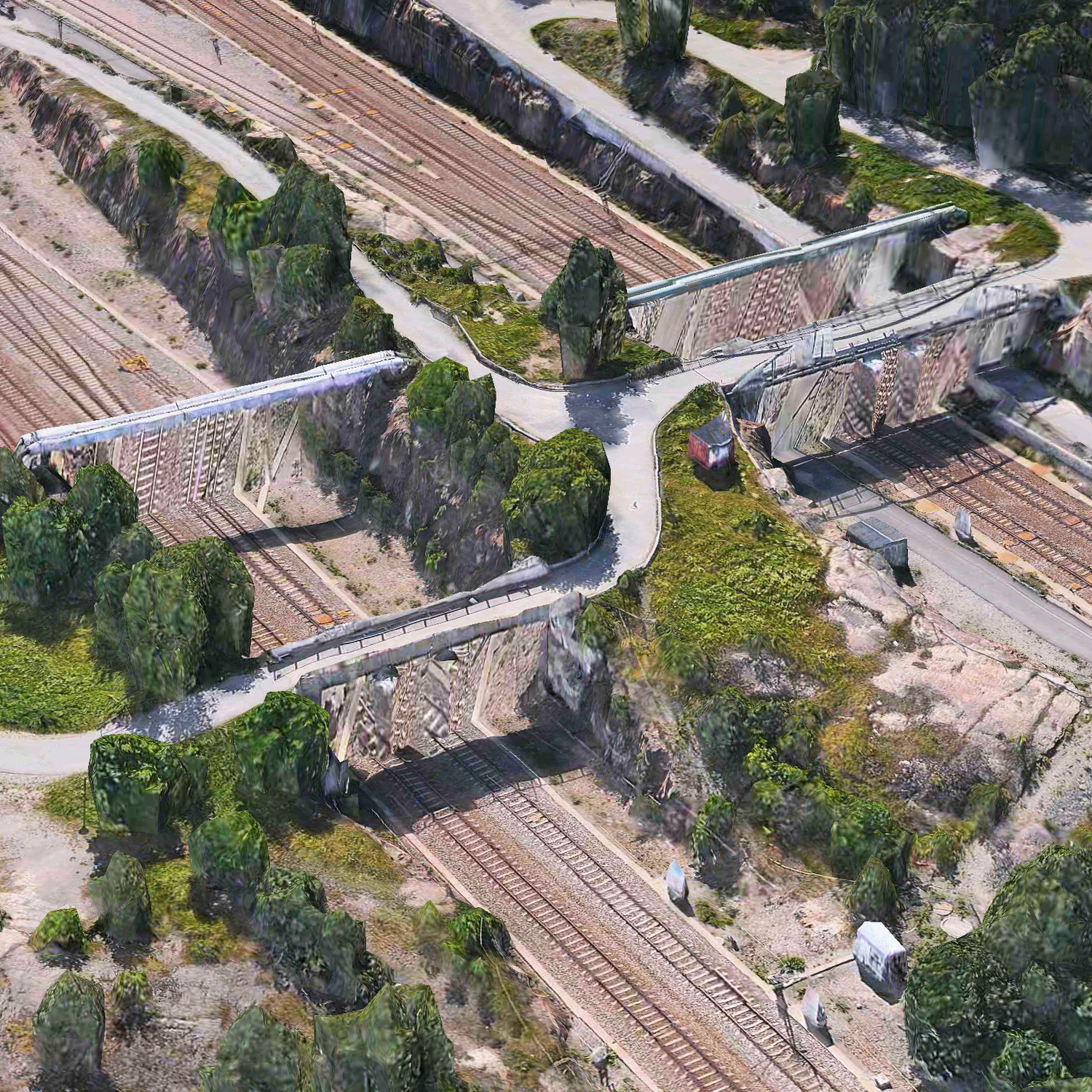
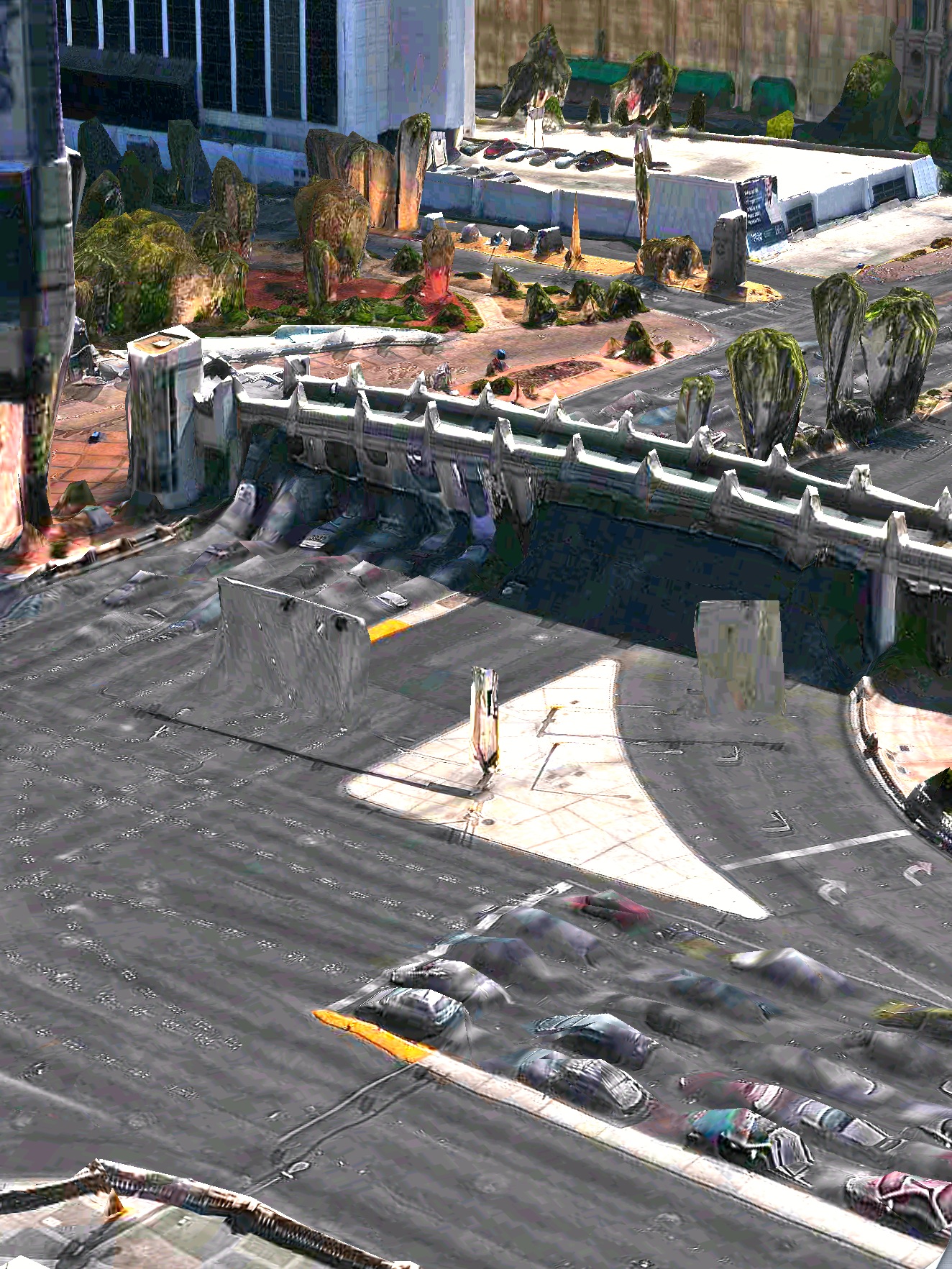
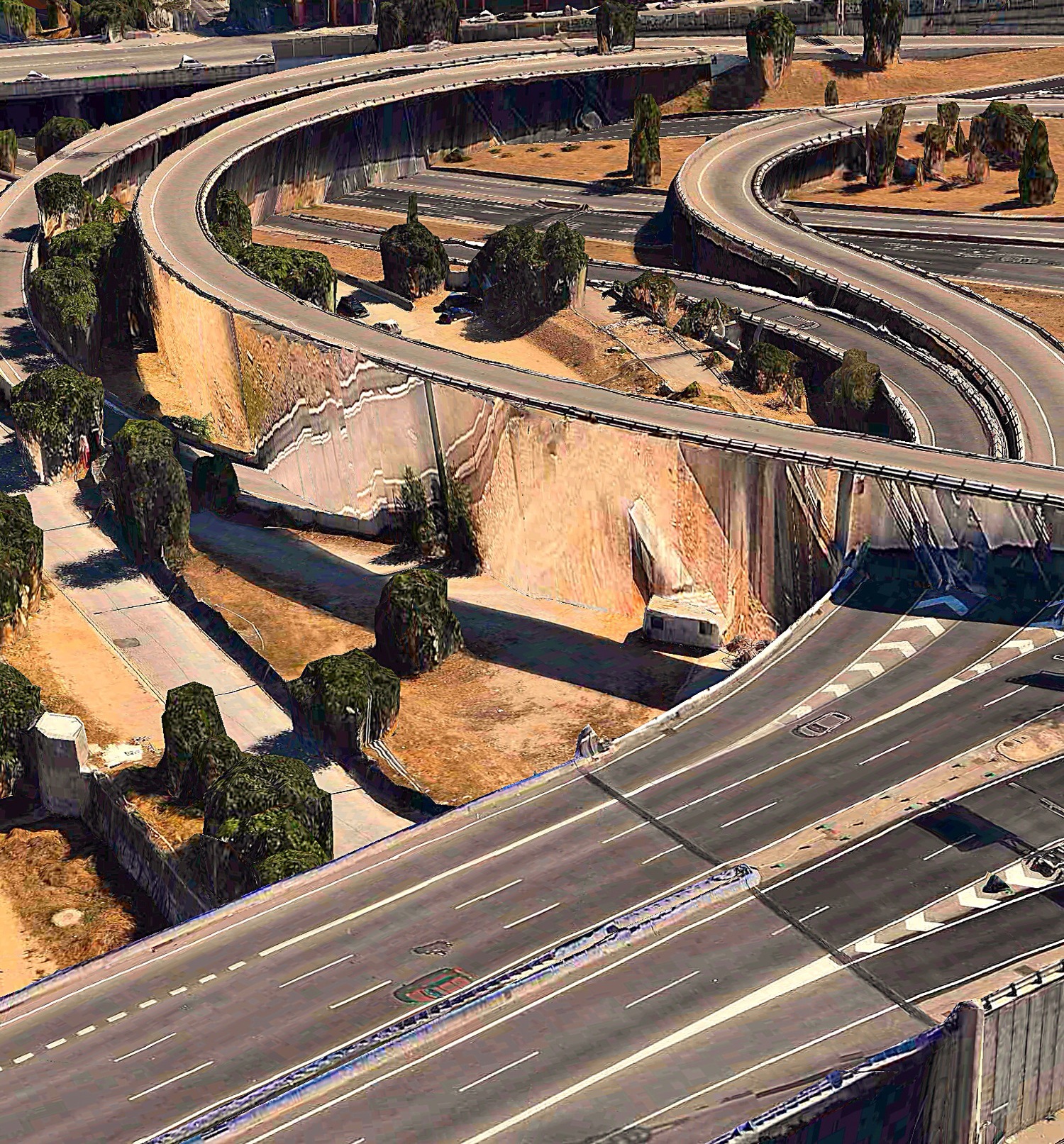
Known for large-scale glitch explorations of landscapes and urban environments. Norrby’s “Glitch in the Docks” series applies pixel sorting and displacement techniques to architectural photography, creating fragmented cityscapes where buildings dissolve into flowing digital streams while maintaining a strong compositional sense.


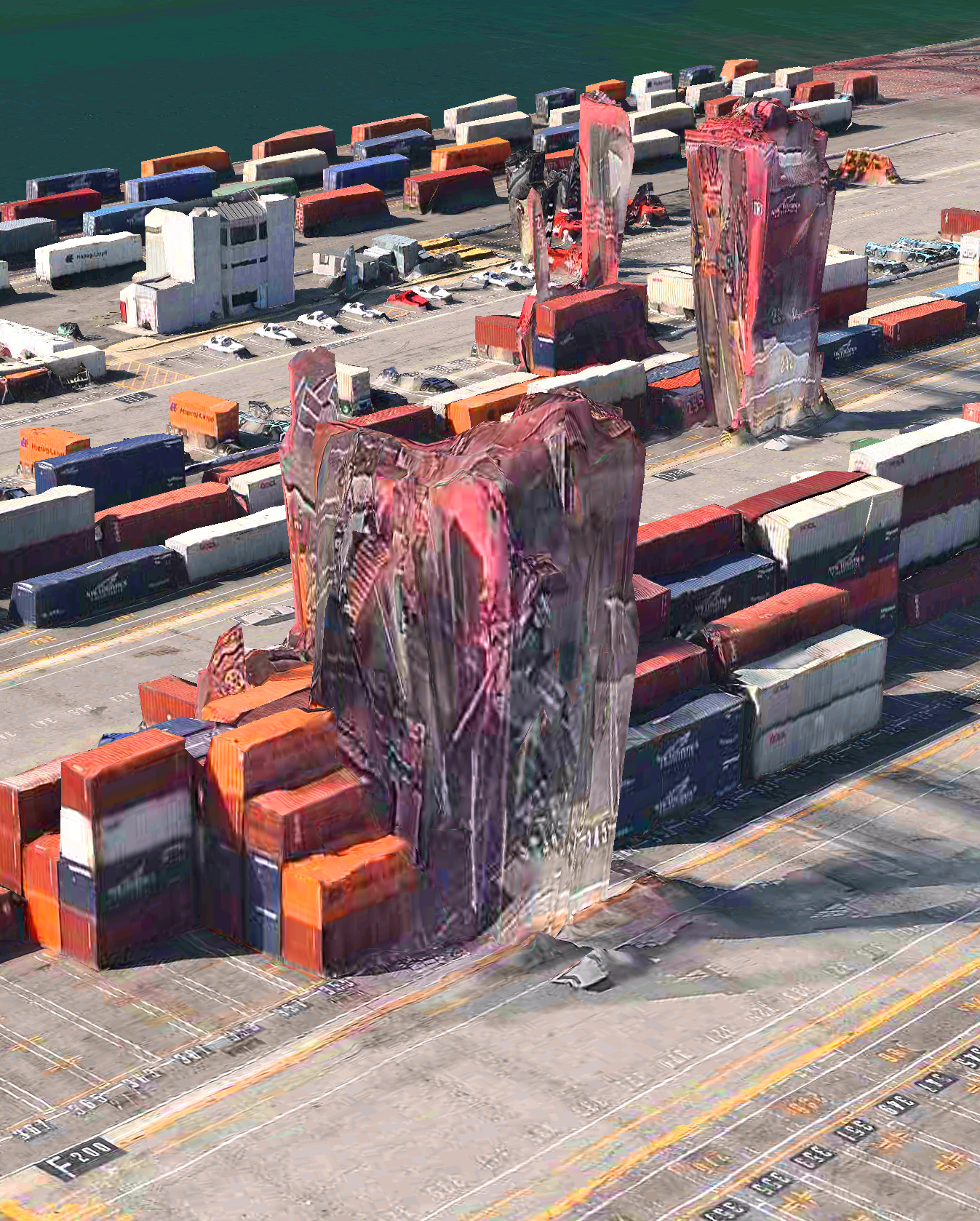
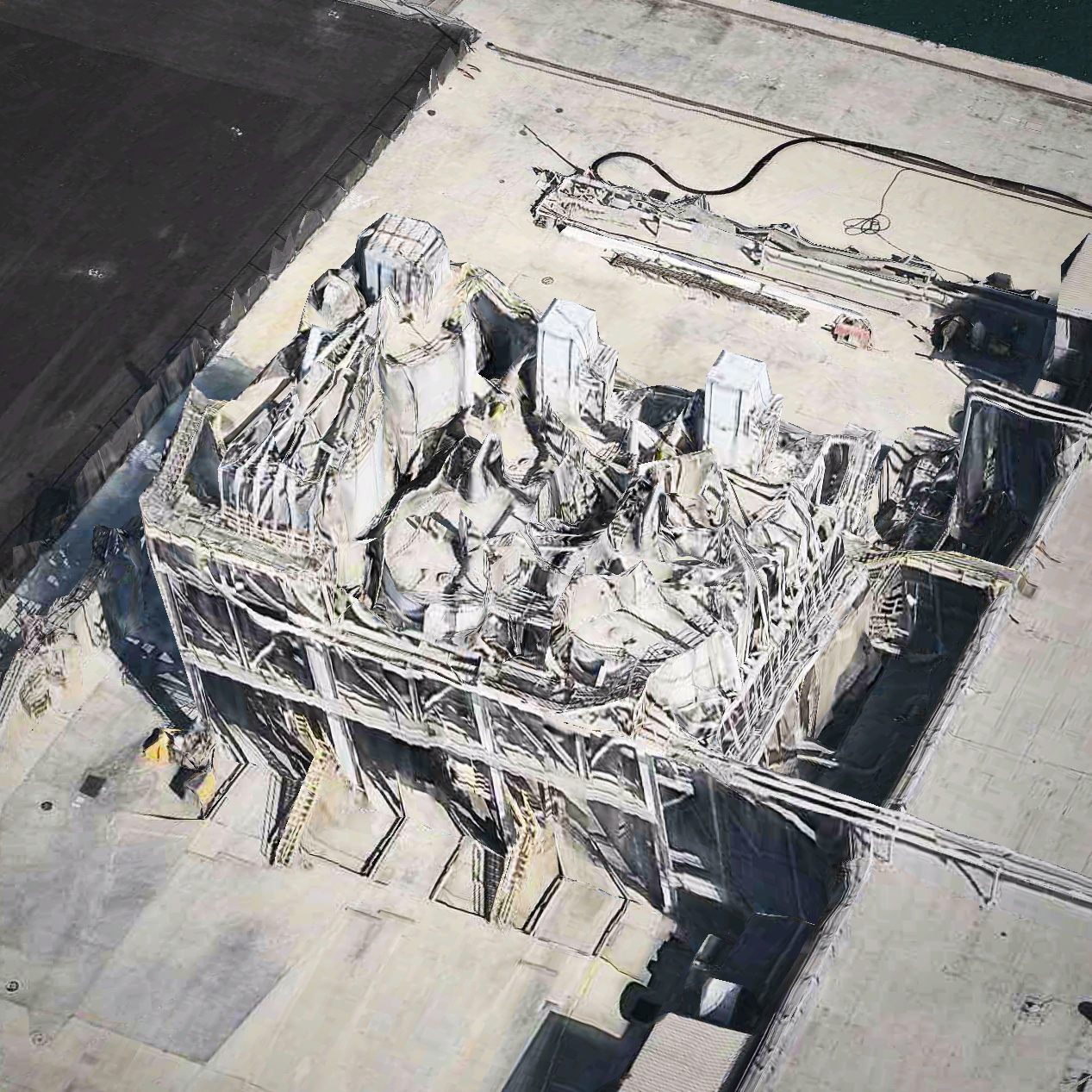
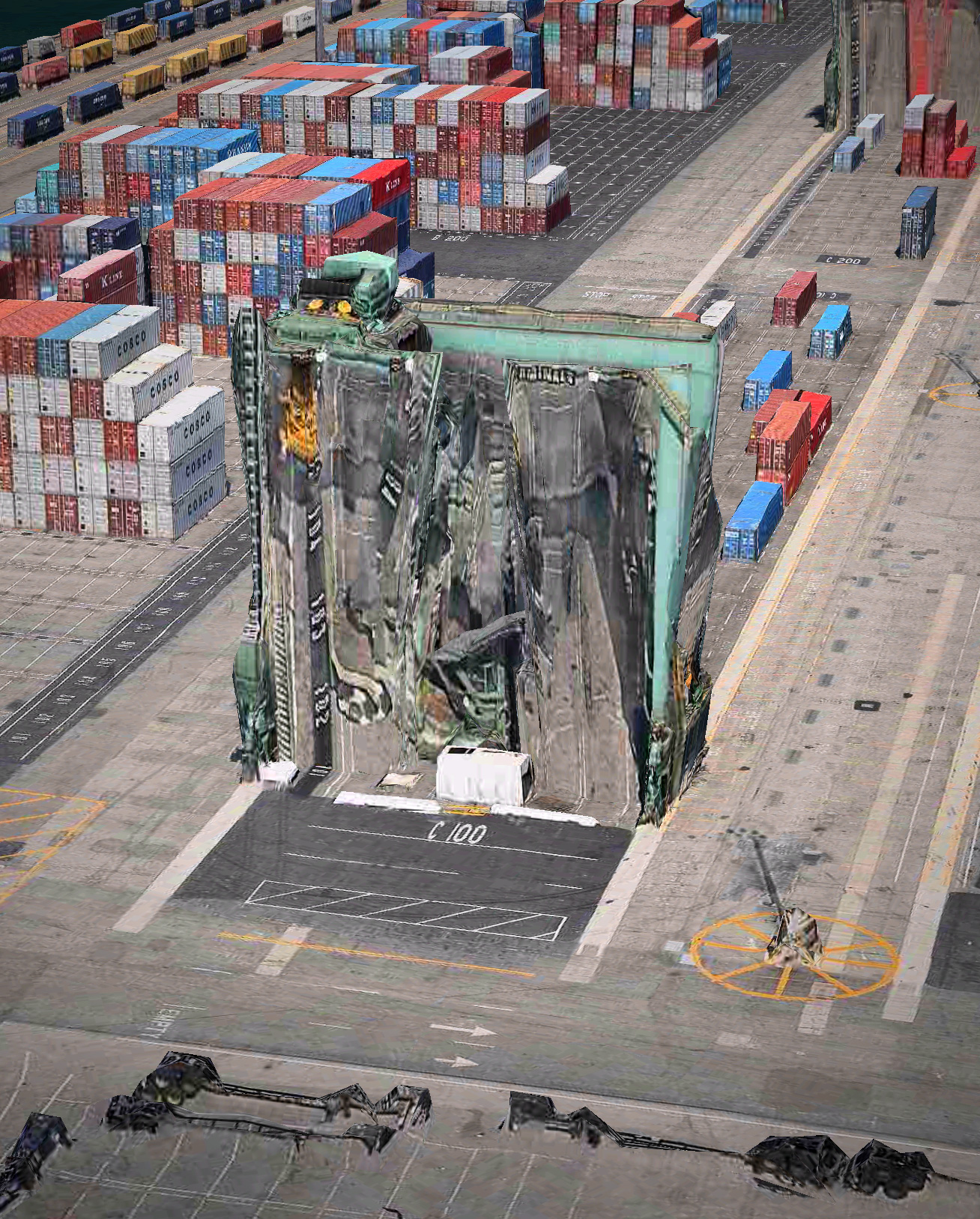

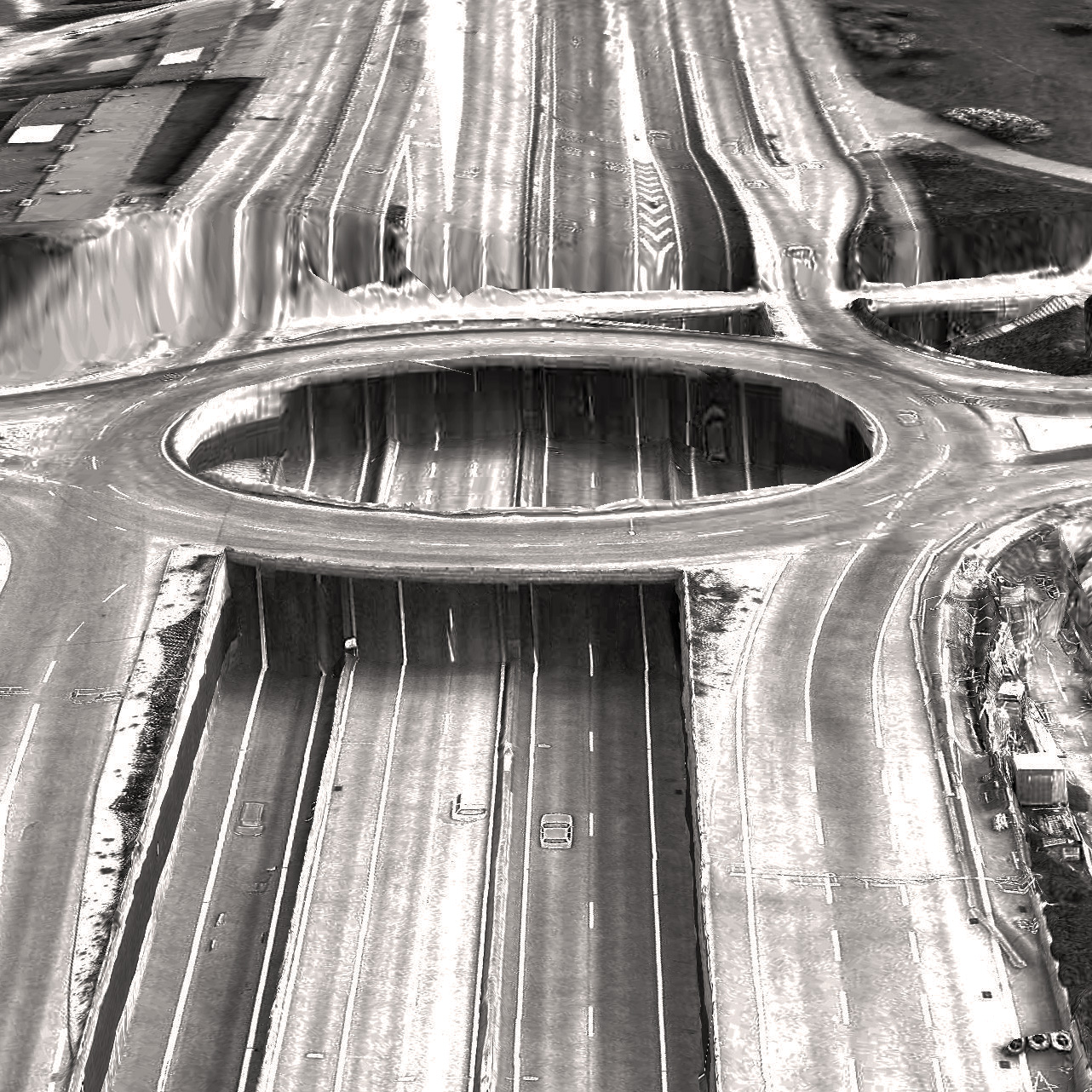
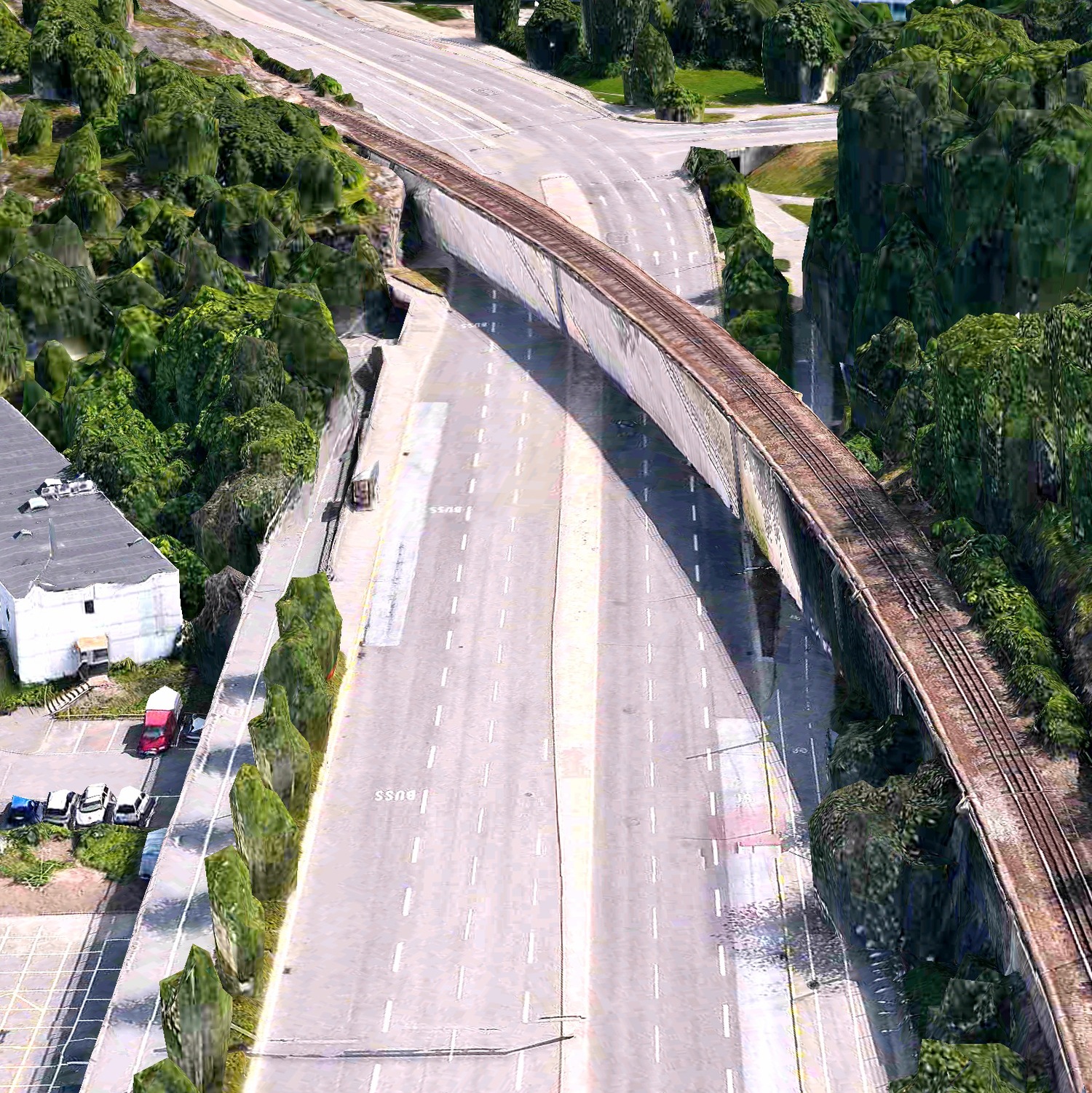
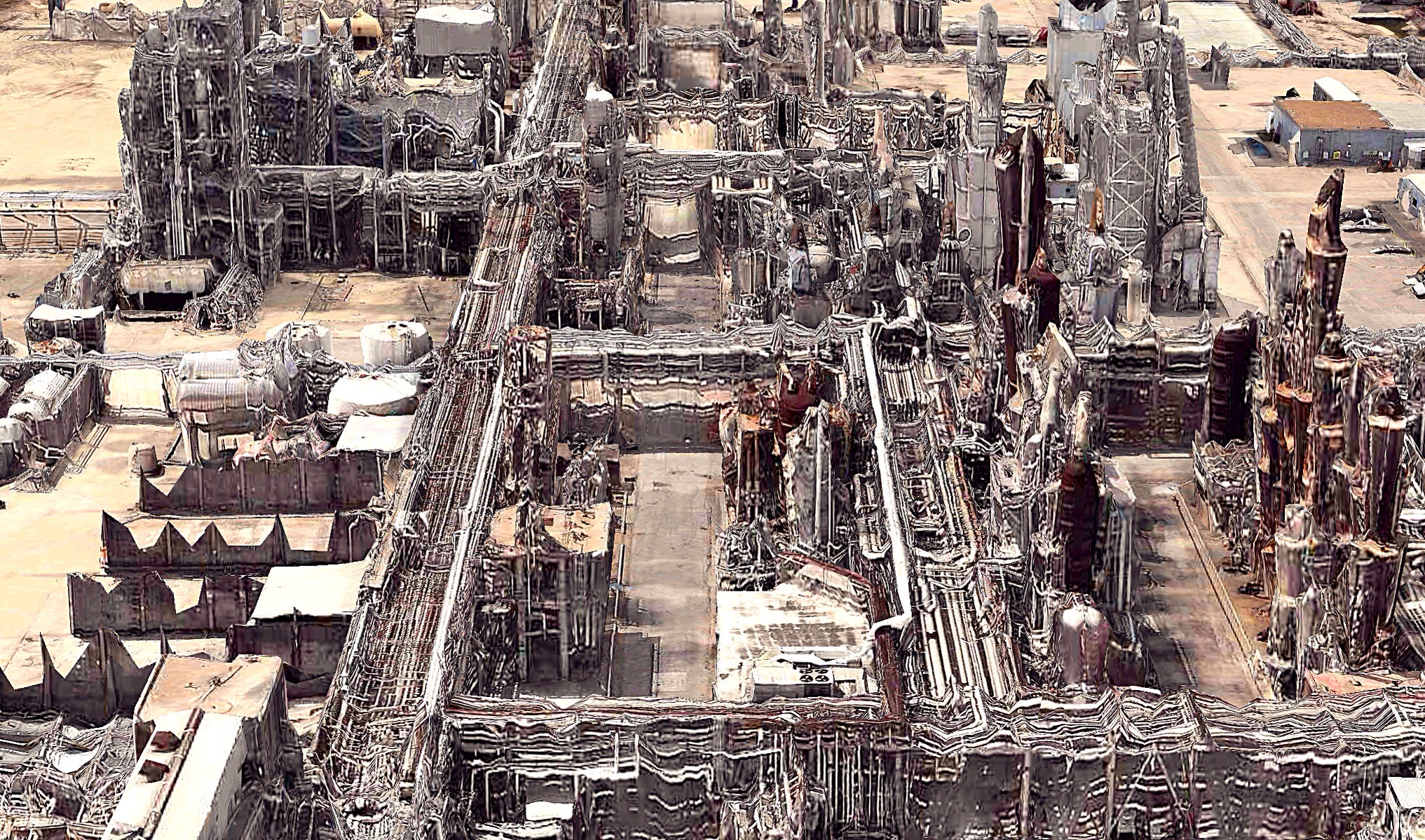
- Website: anxious-bored.com
4. Mathieu St-Pierre

Specializes in video glitch art and datamoshing, blending motion and static imagery. St-Pierre’s work captures the moment when video codecs fail — faces melt across frames, motion vectors misfire, and compression artifacts become the primary visual language. His pieces sit at the intersection of video art and glitch practice.


- Website: matstpierre.wordpress.com
5. John Karborn

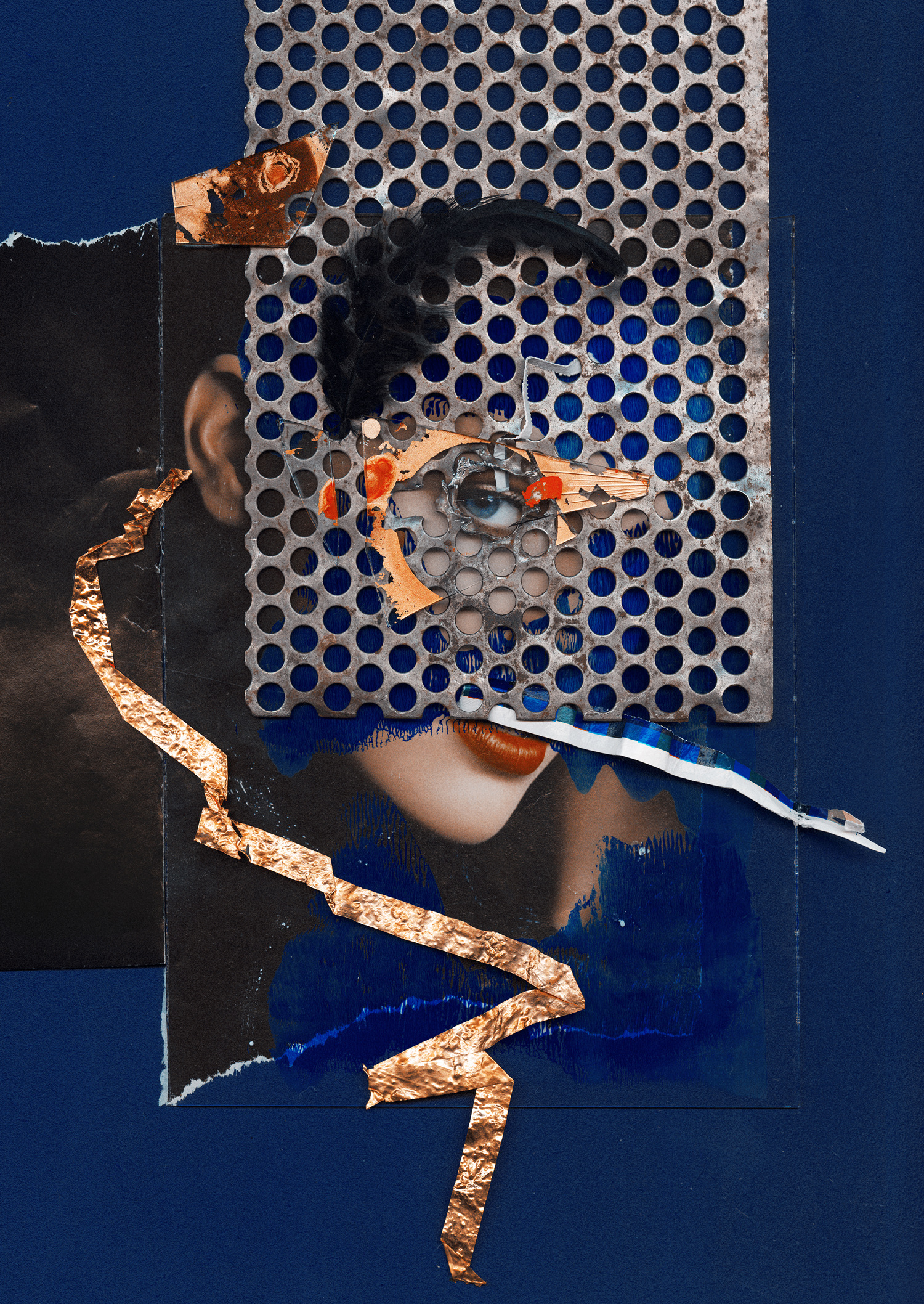
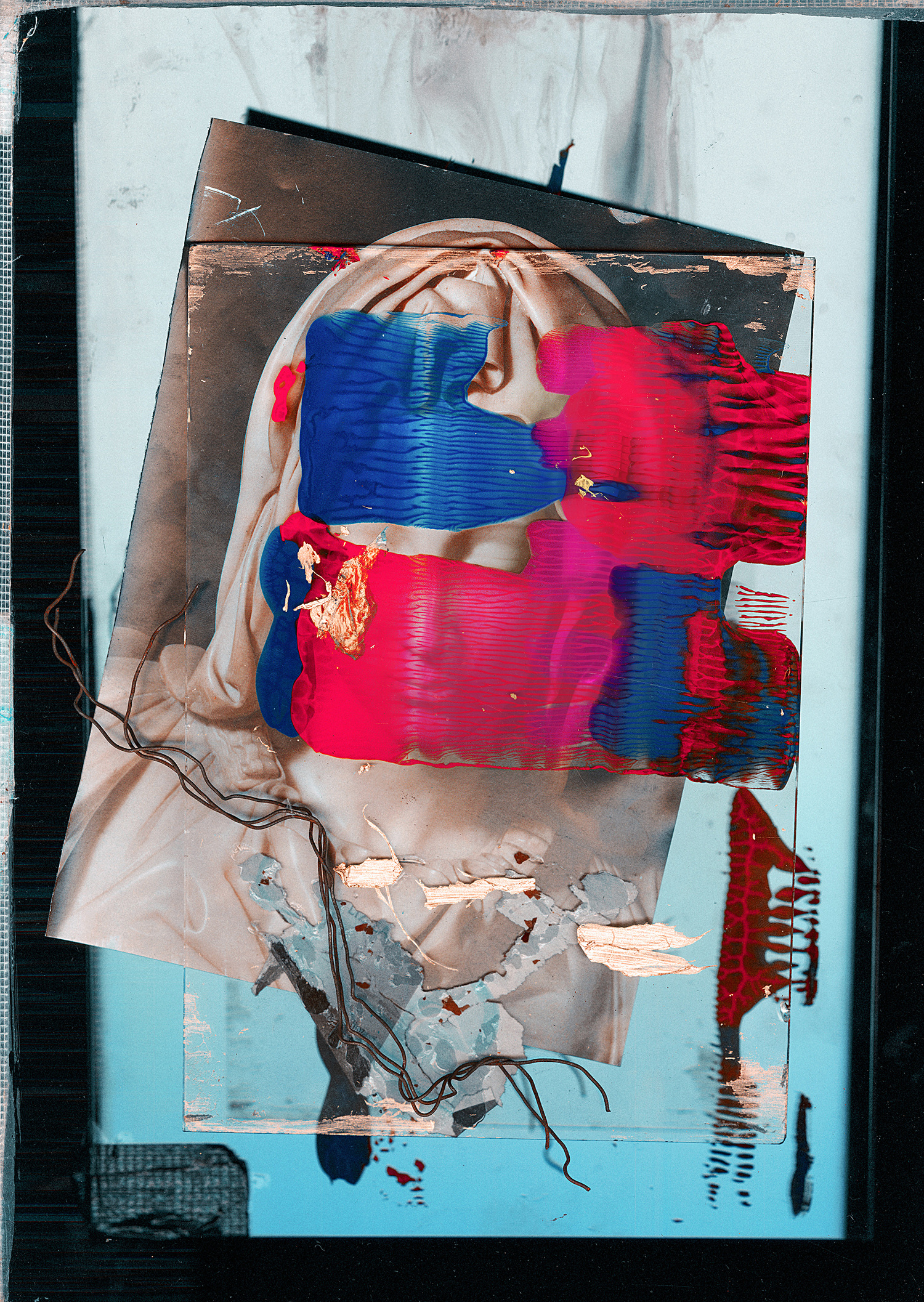
Creates intricate glitch art across multiple mediums — animated GIFs, silkscreen prints, and painterly digital compositions. Karborn’s work balances controlled corruption with rich color and compositional depth, treating RGB channel manipulation and pixel displacement as tools for building layered, almost baroque visual worlds rather than pure destruction.

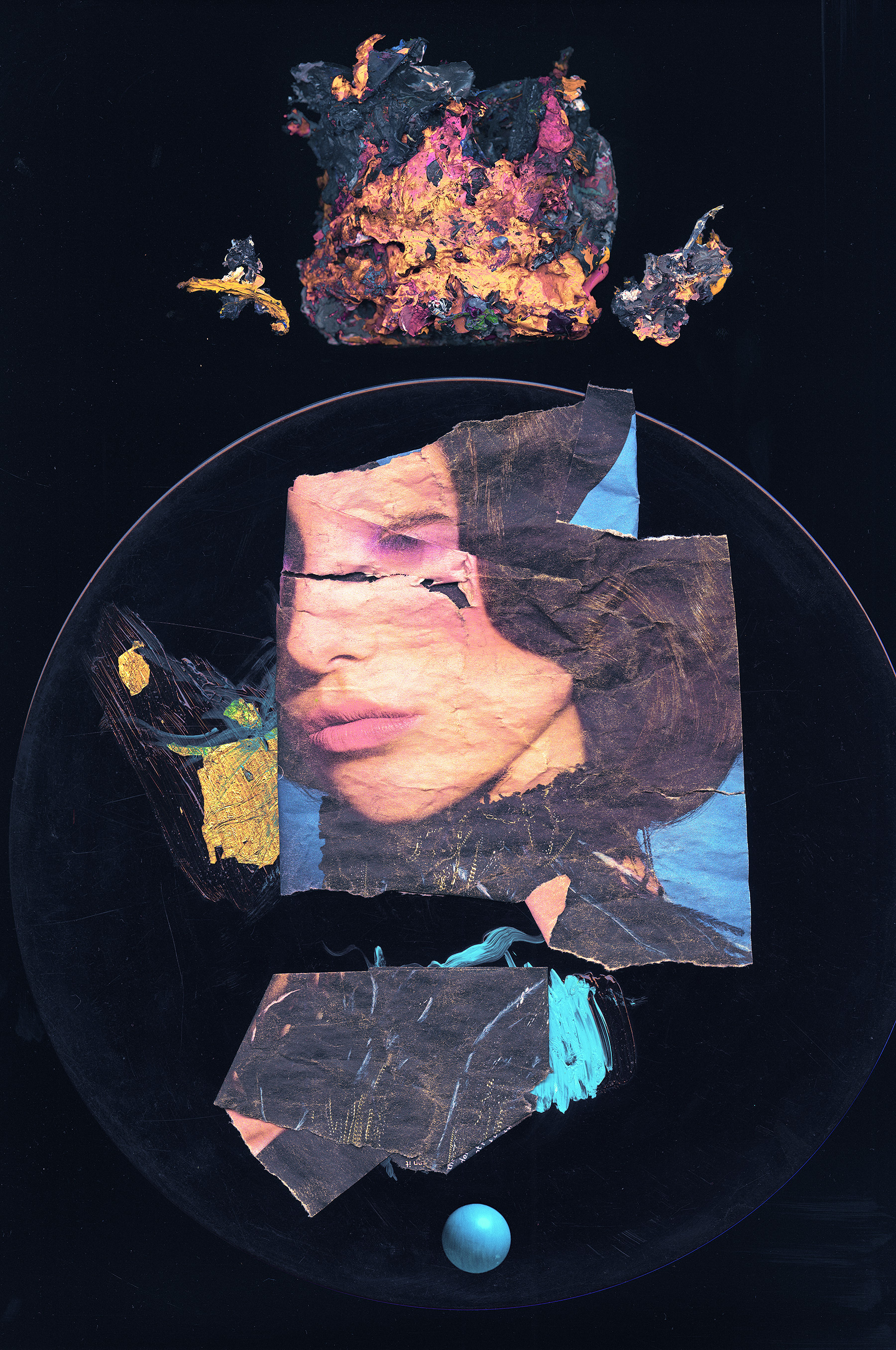
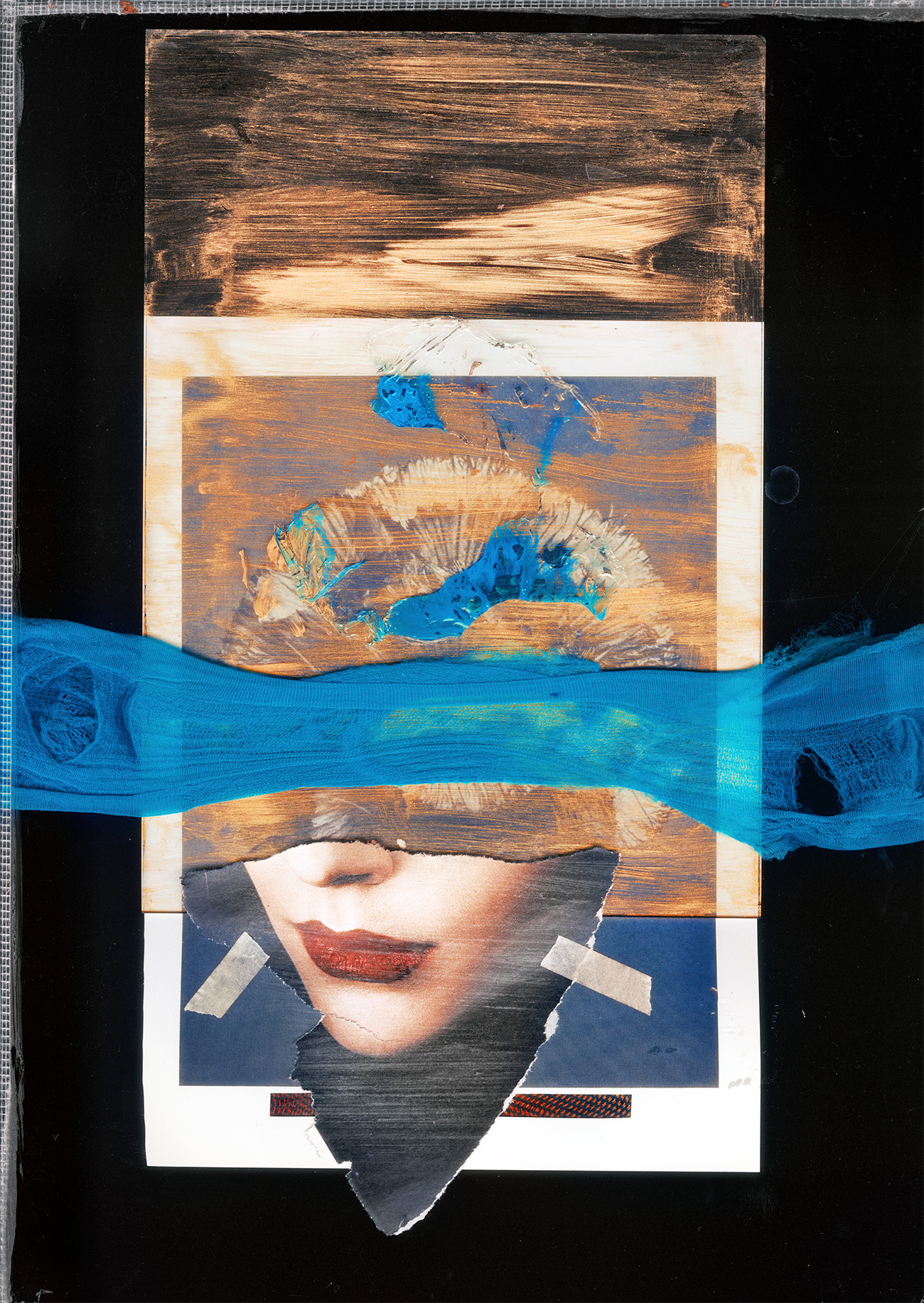
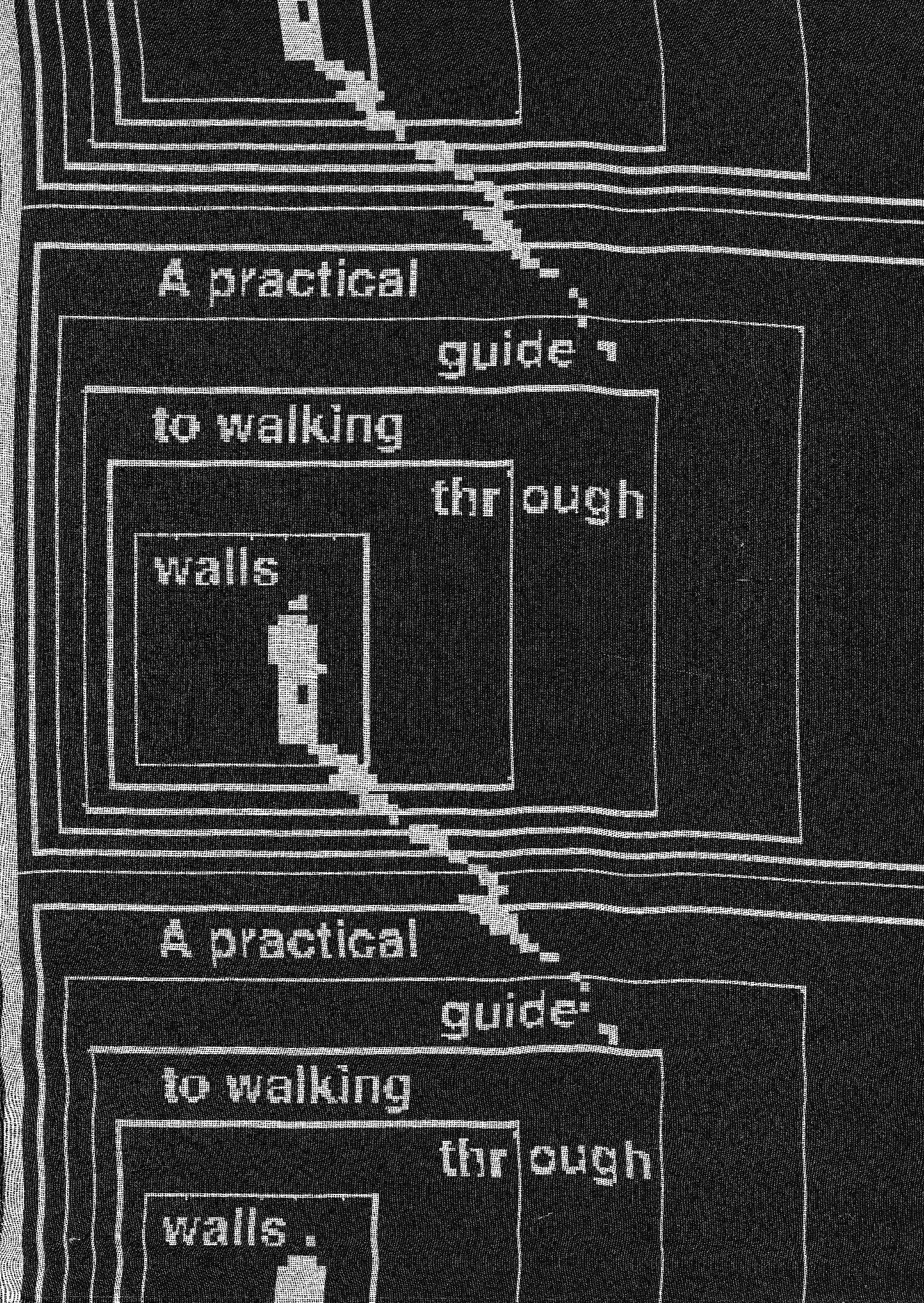
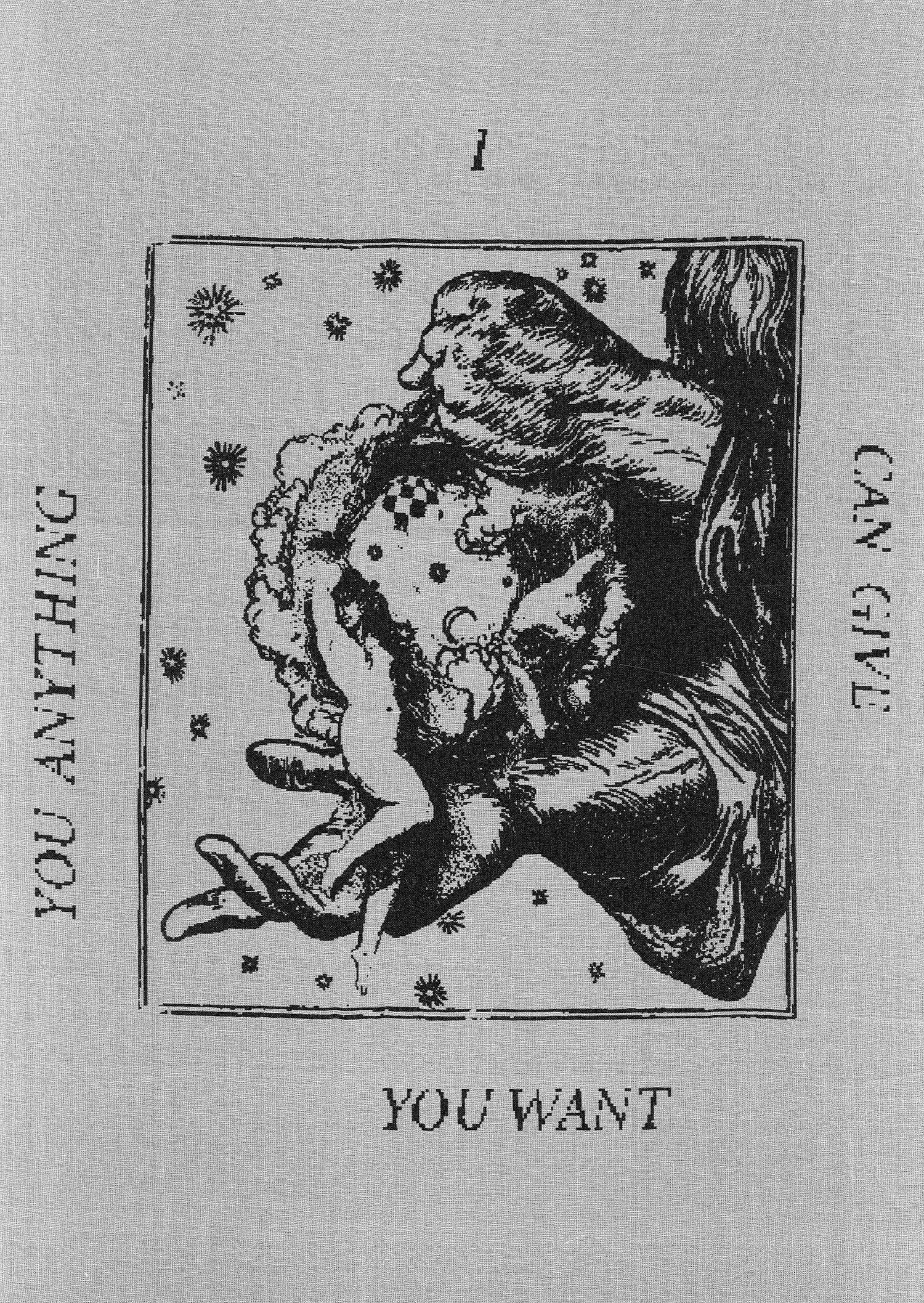
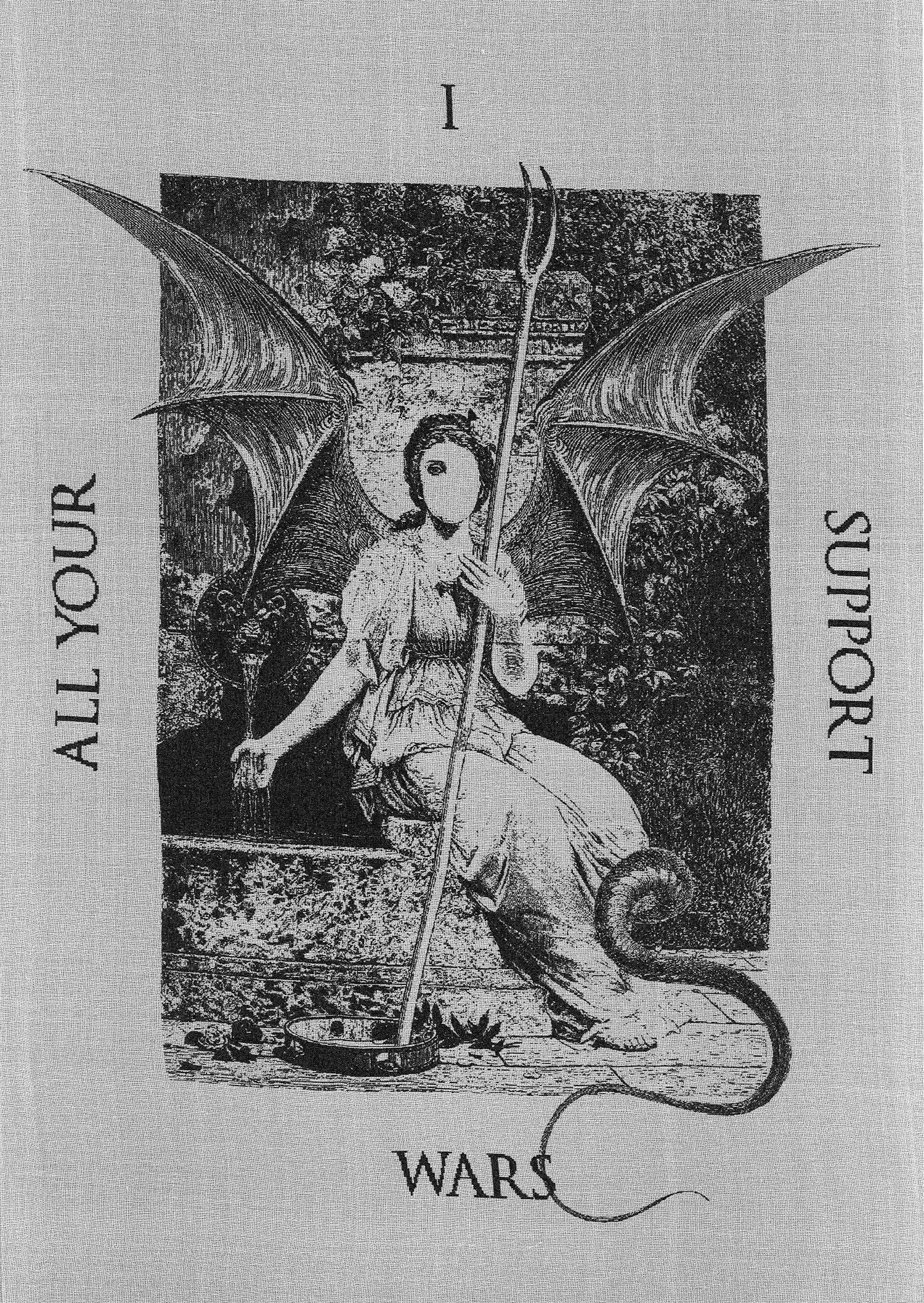
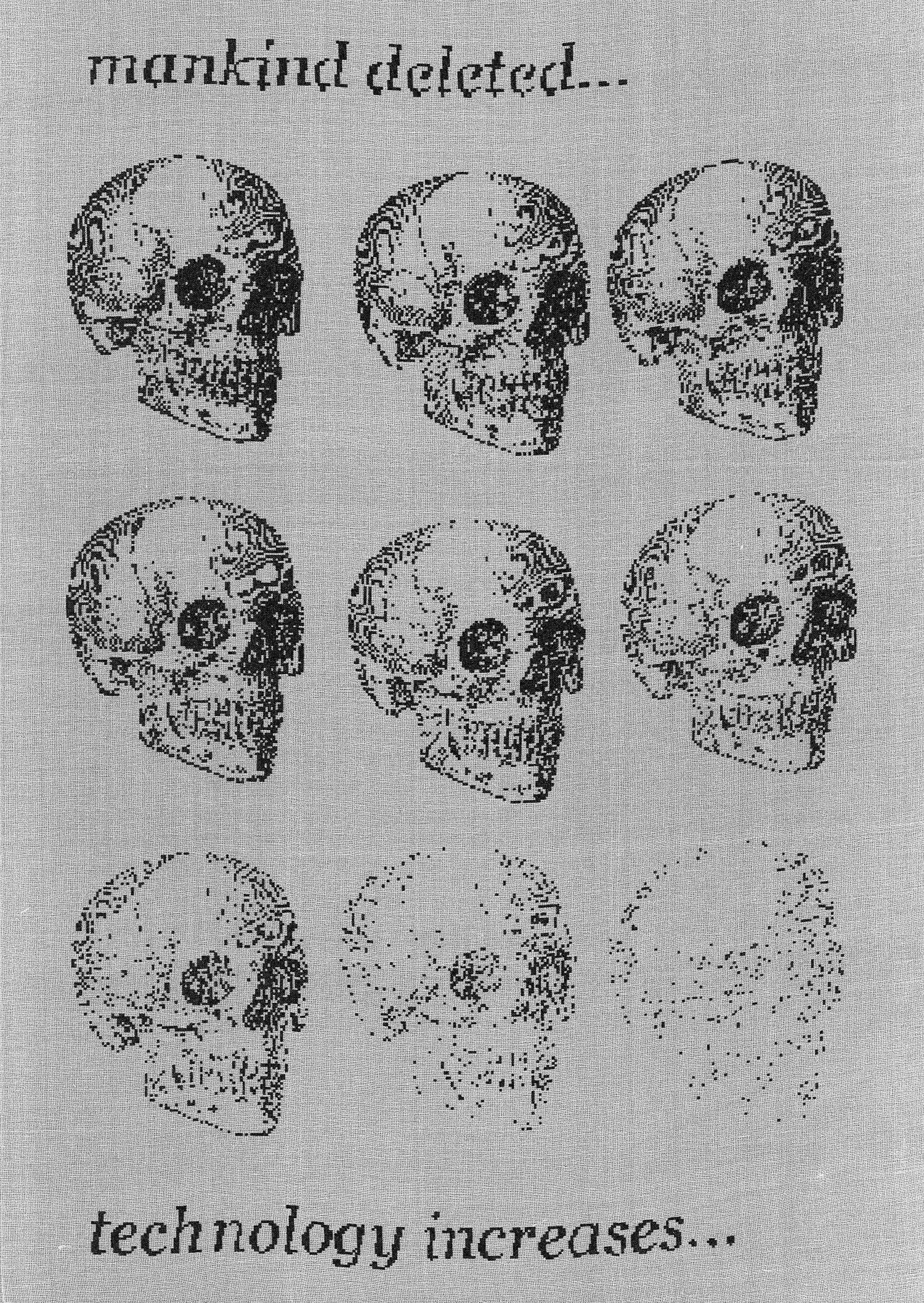
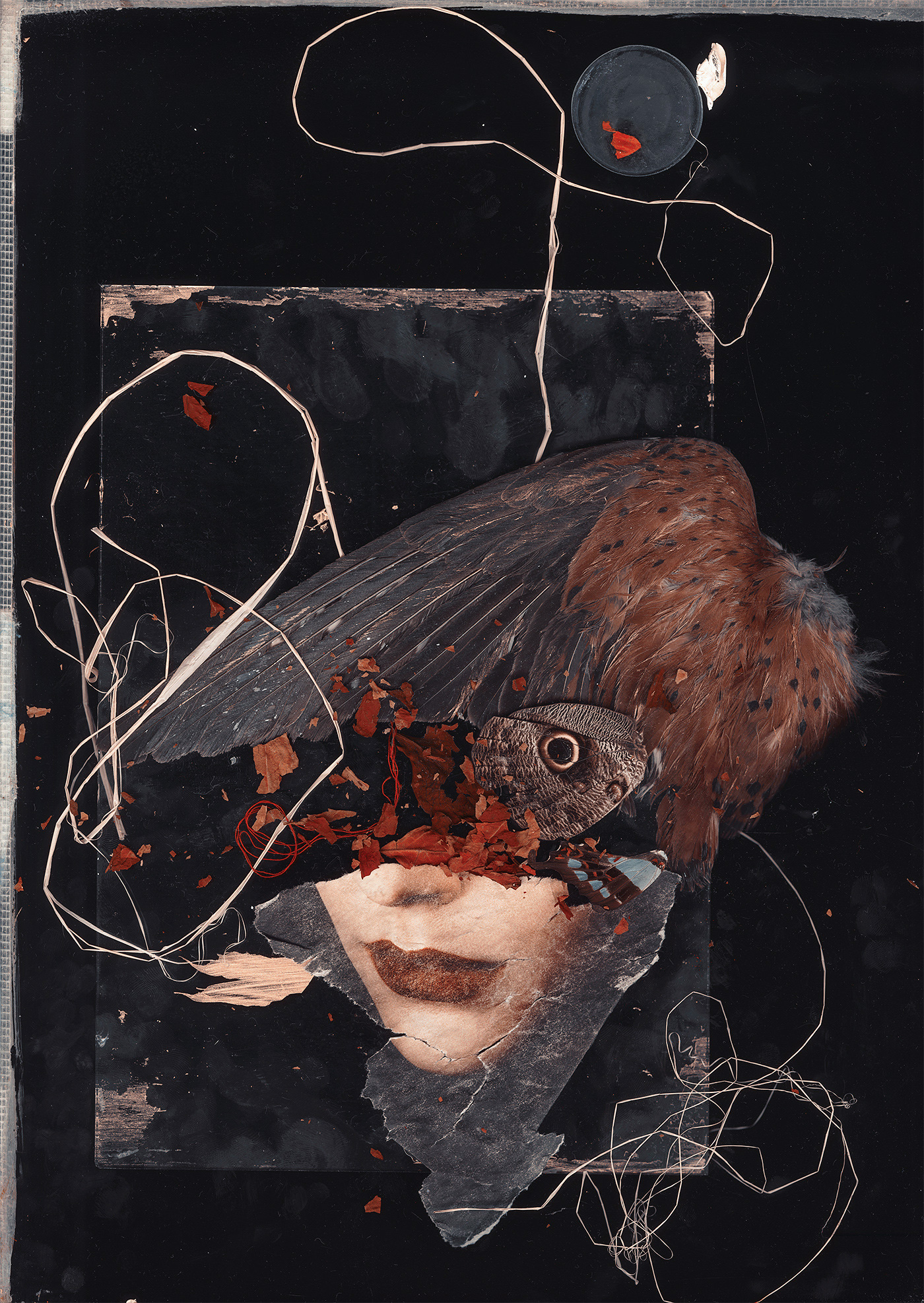
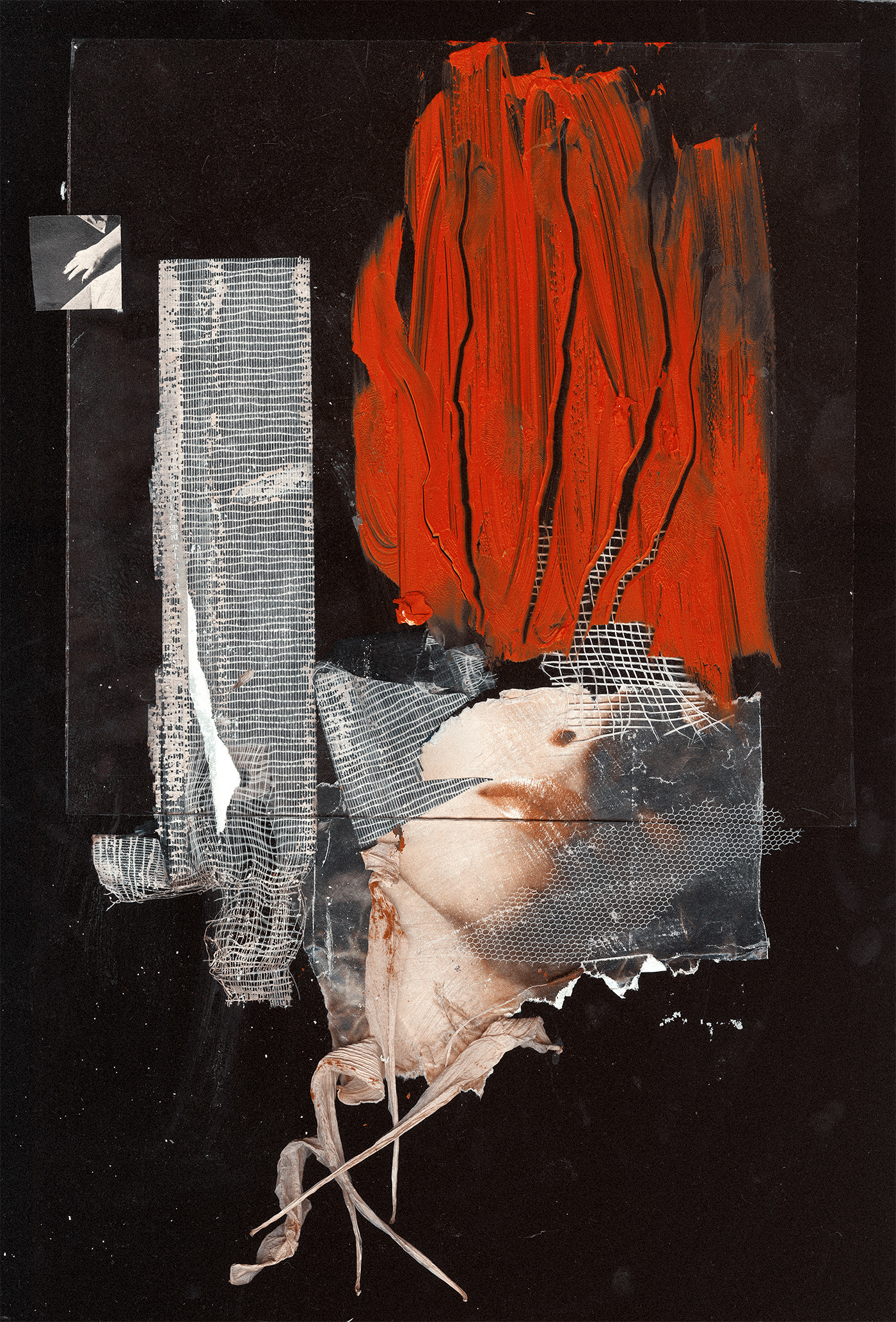
- Website: karborn.com
6. Phillip Stearns
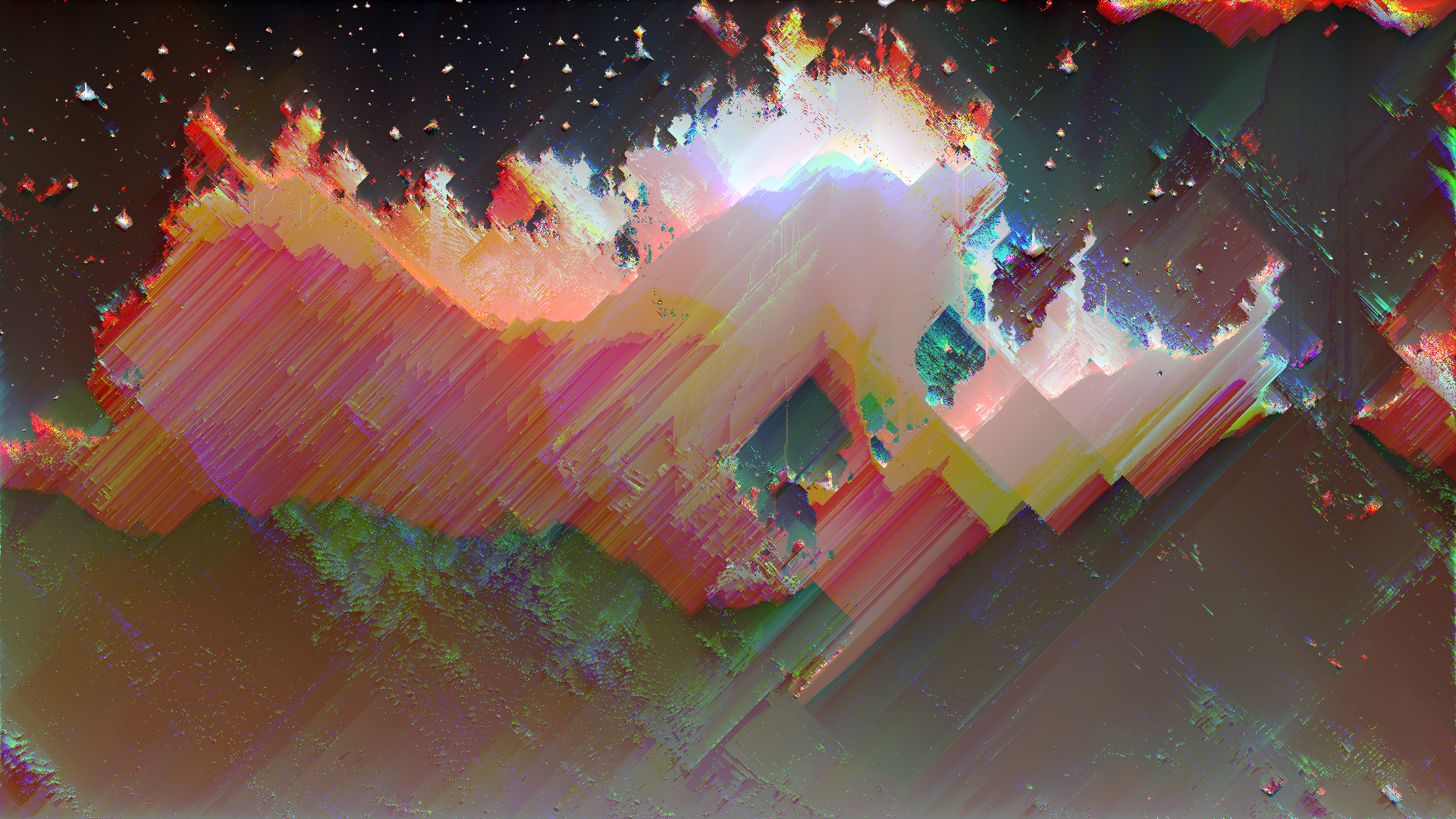
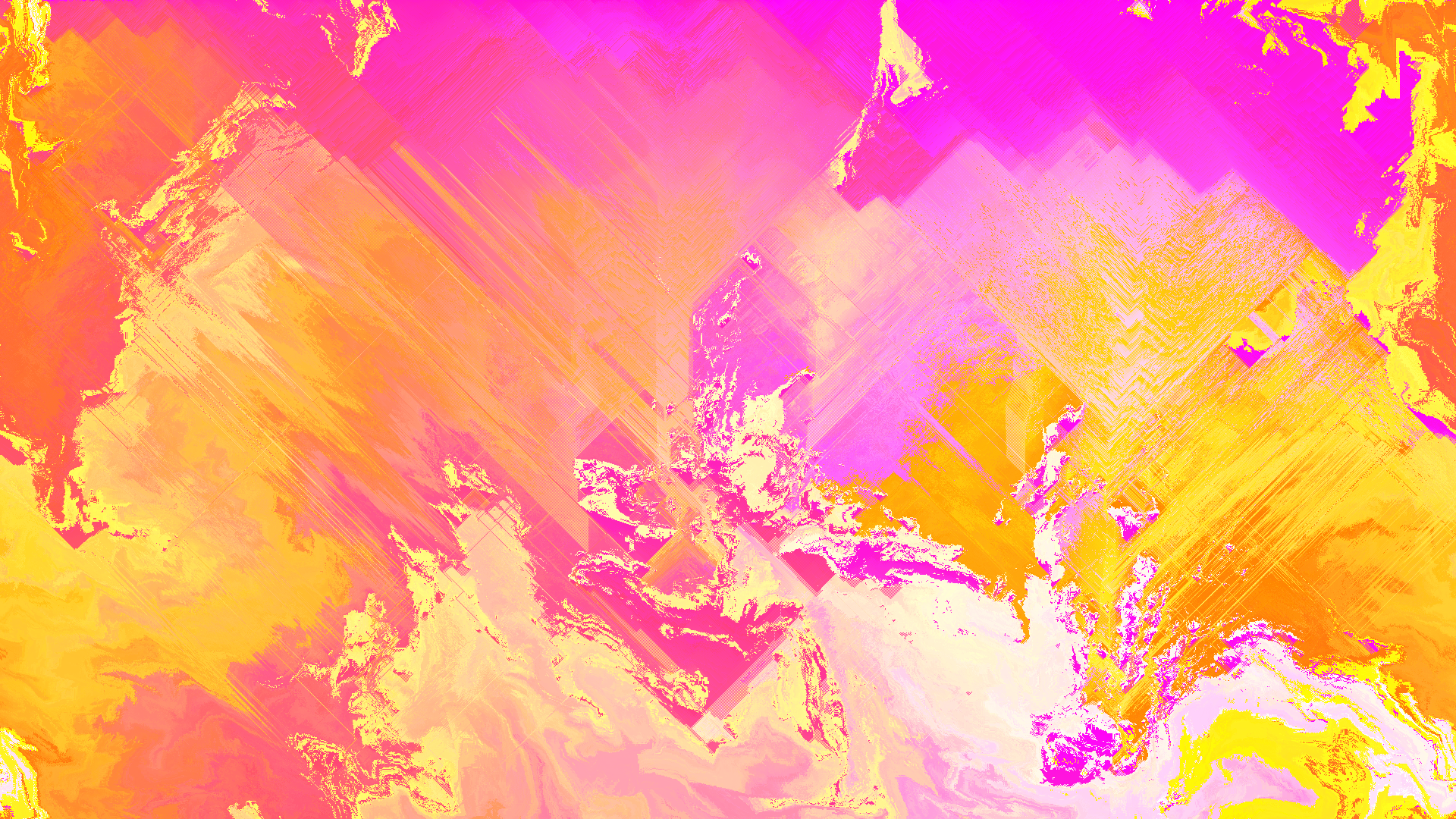
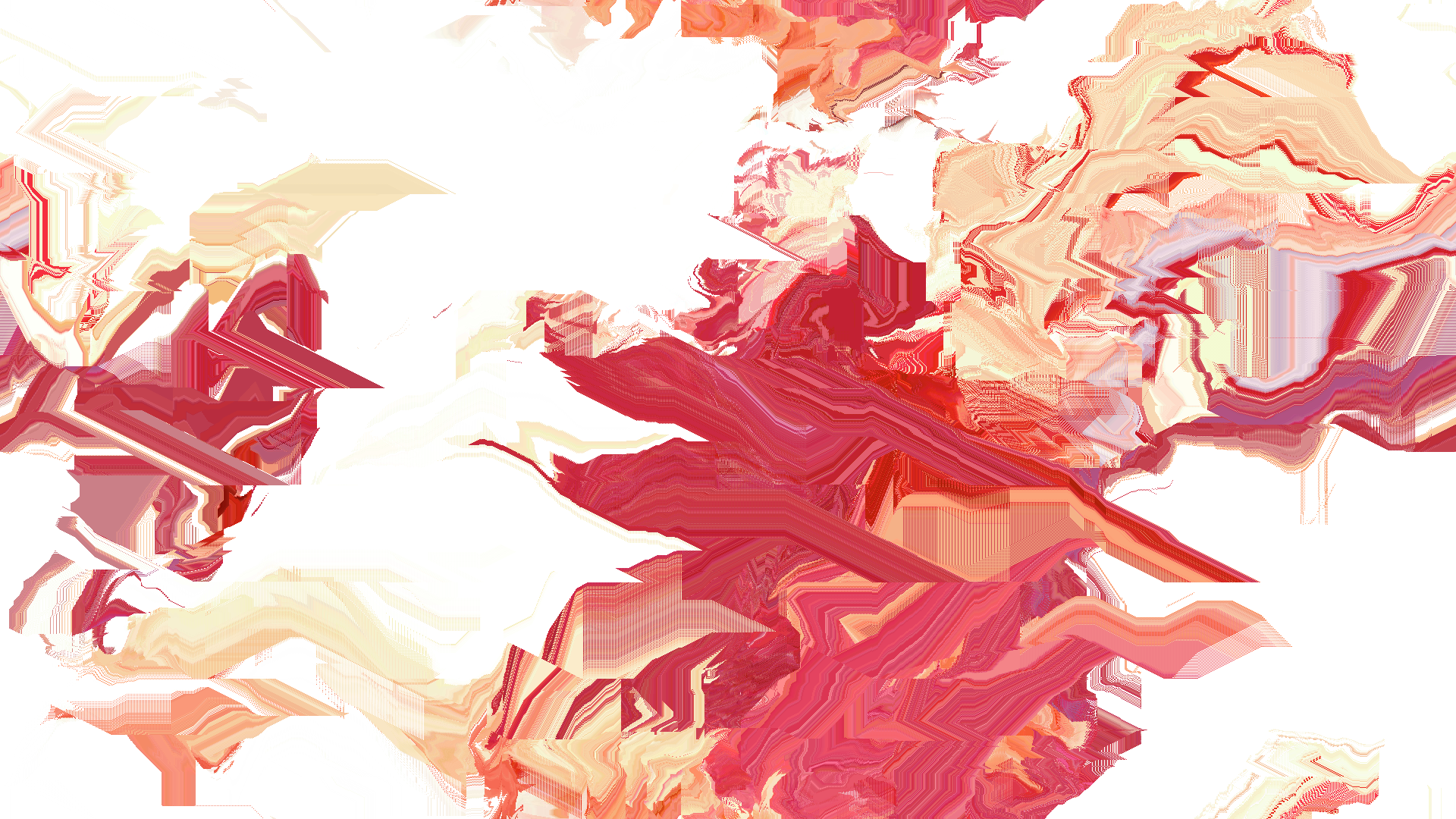
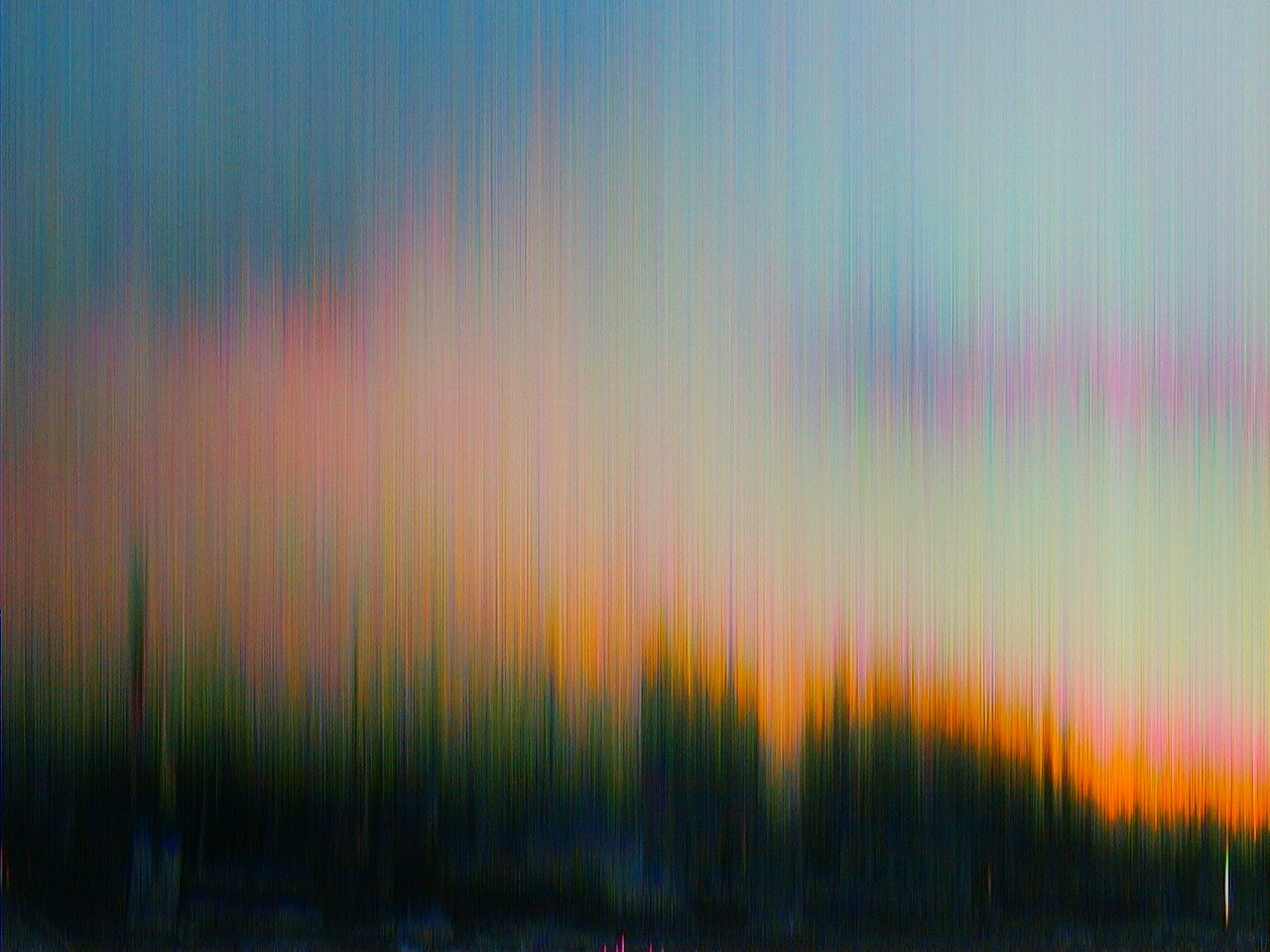
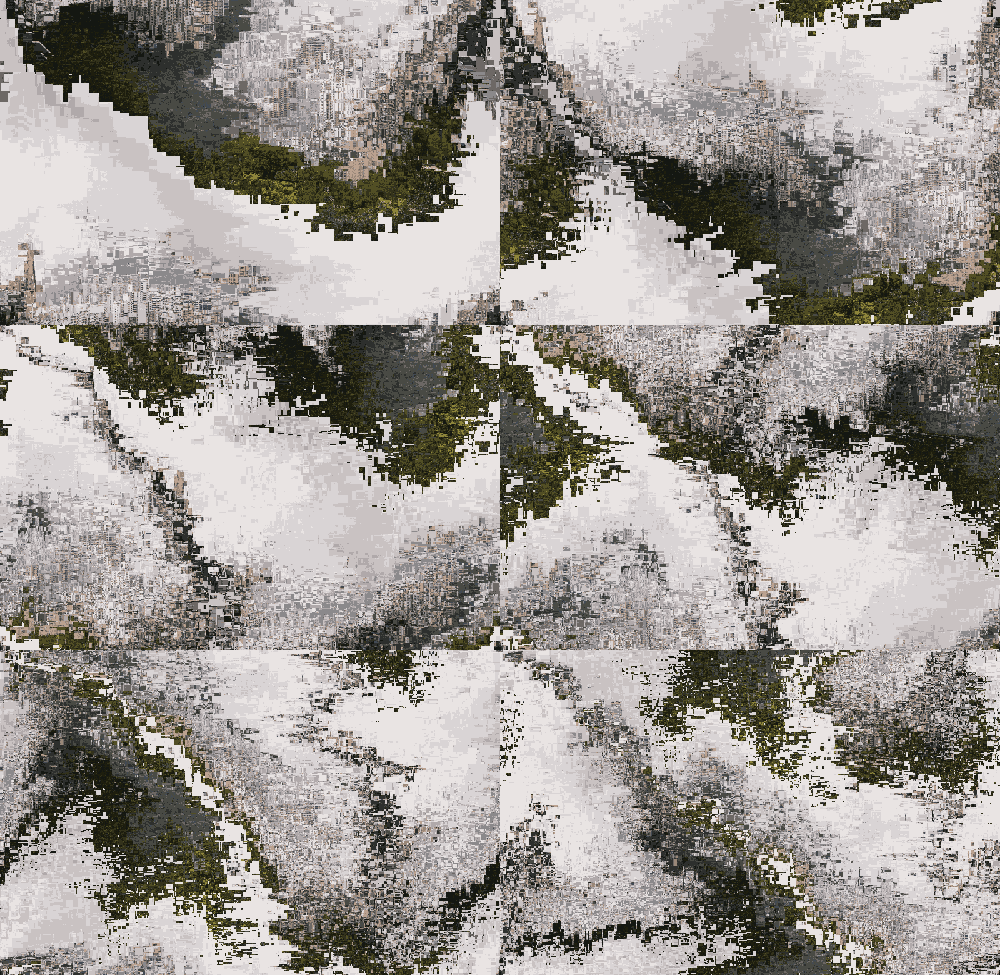
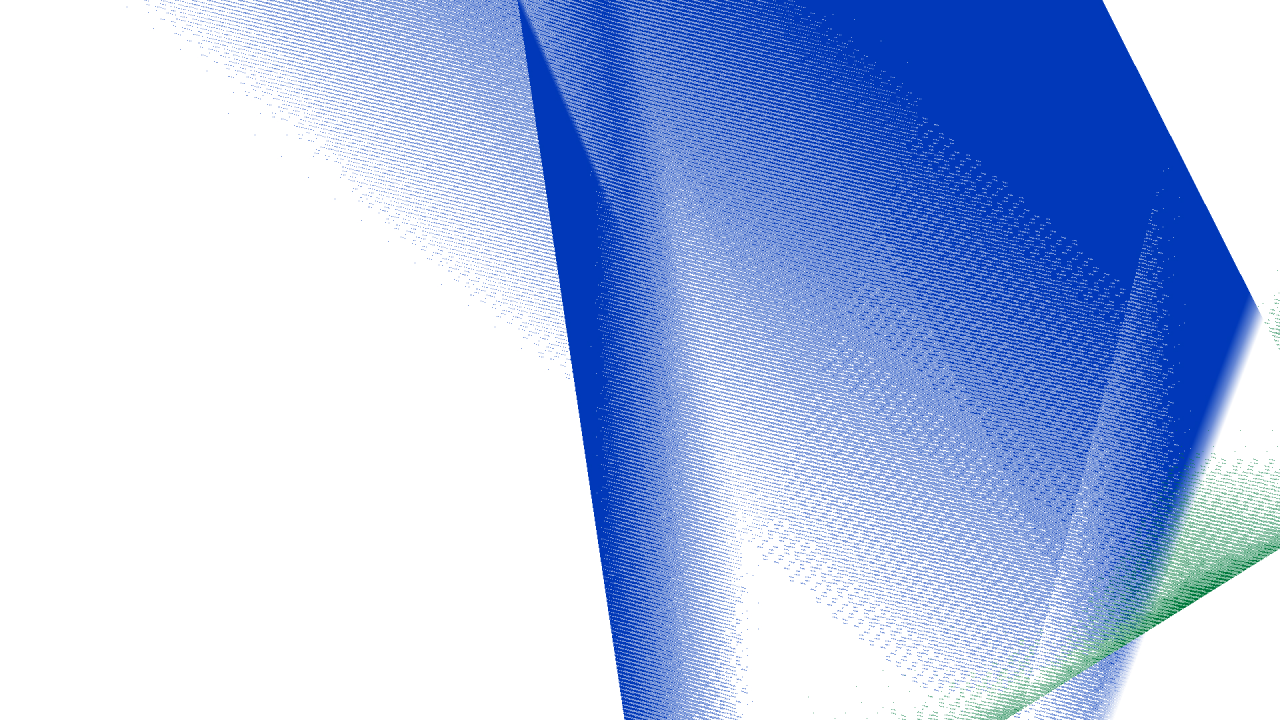
Stearns translates digital corruption into physical objects — woven textiles, sculptures, and prints generated from glitch data. His work with color displacement, vector manipulation, and circuit bending bridges the digital and physical worlds, turning binary errors into tangible materials you can touch.


- Website: phillipstearns.wordpress.com
7. Virtual Plaza
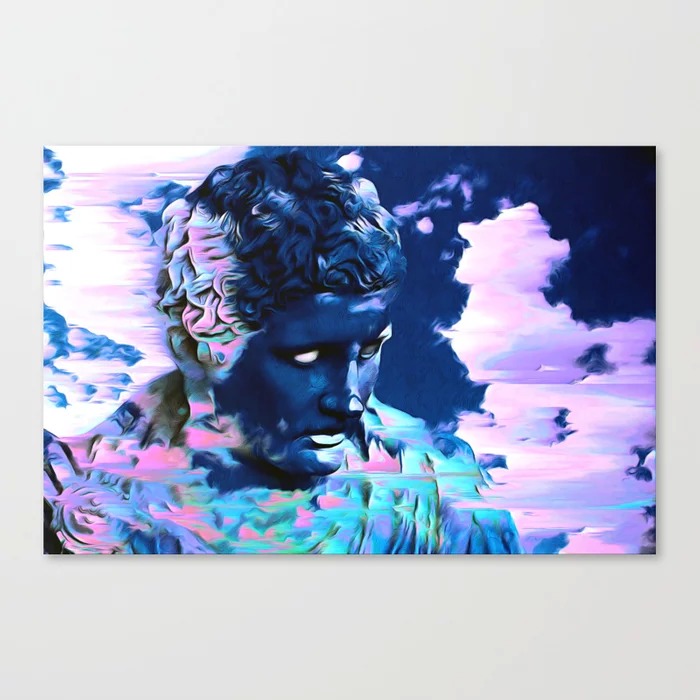
Produces vibrant glitch art that applies databending and RGB splitting to classical sculpture and portraiture imagery — Caesars, Venuses, and Renaissance figures rendered through layers of digital corruption. The clash between classical subject matter and modern digital failure creates a distinctive aesthetic available as prints, canvas, and metal pieces.
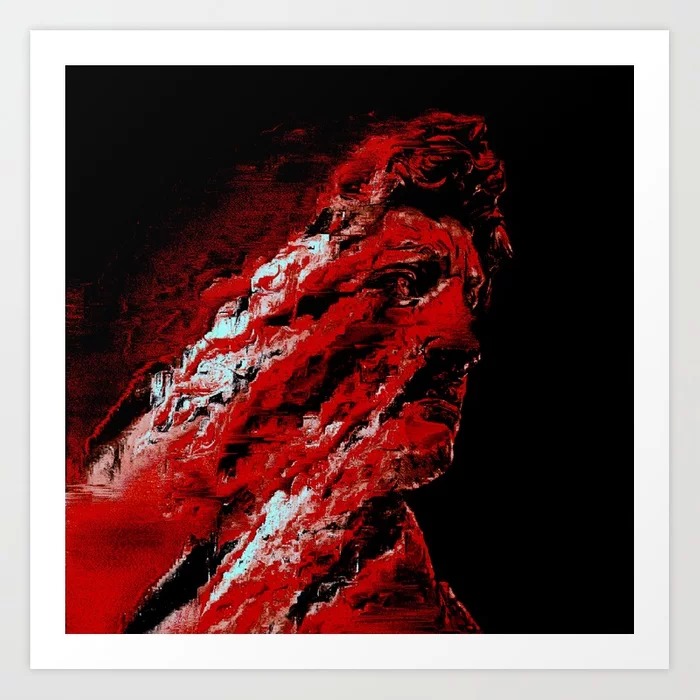
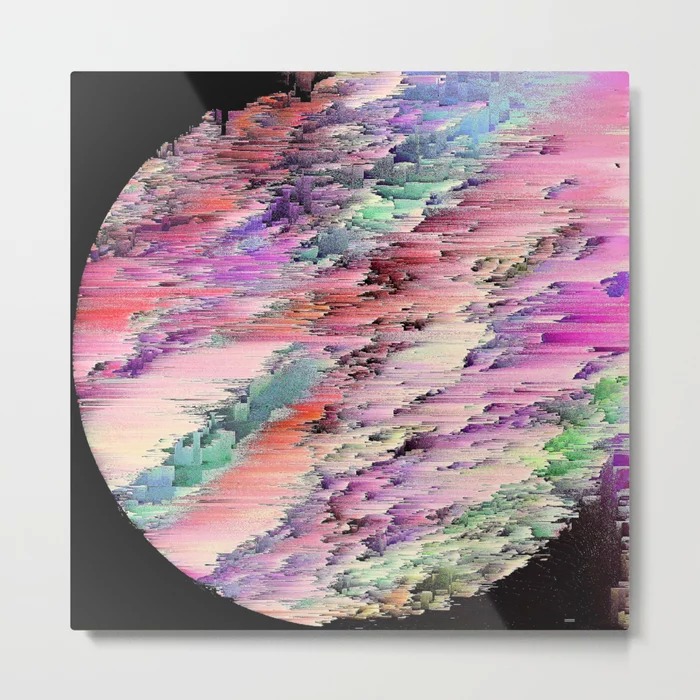
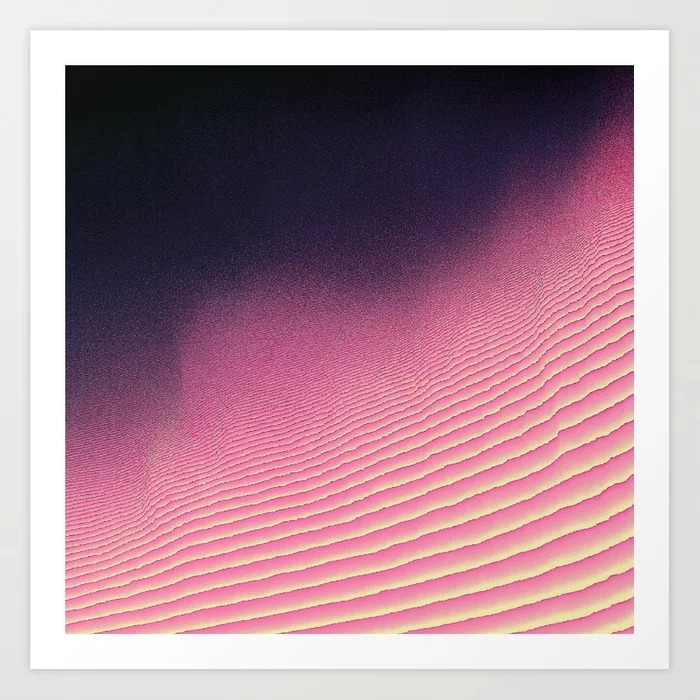
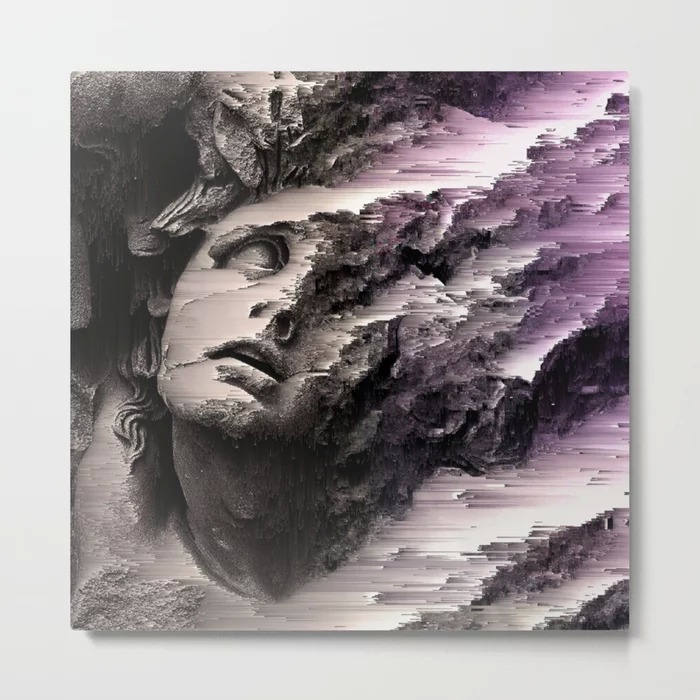
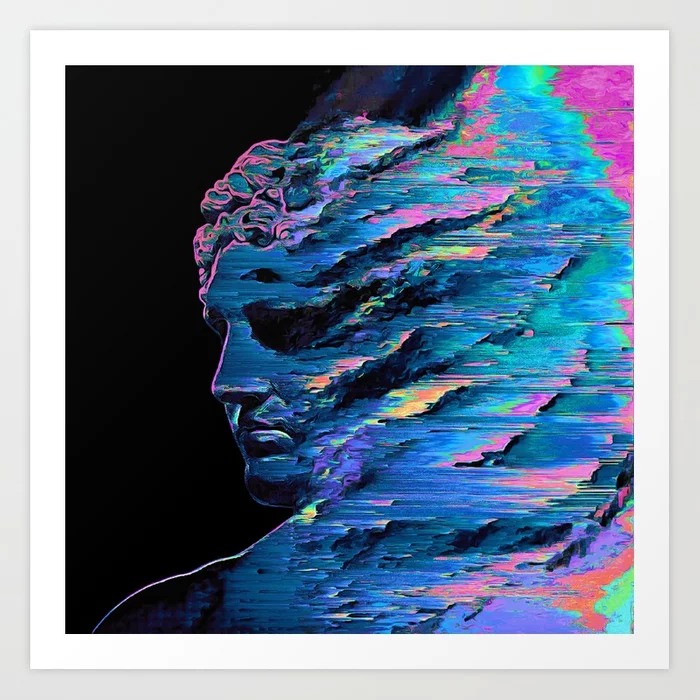
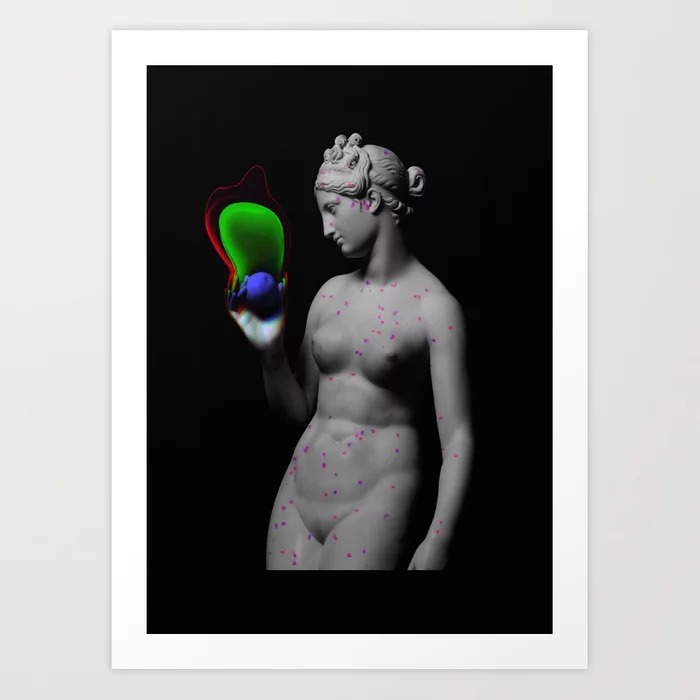
- Prints: Available on Society6
8. Mishko
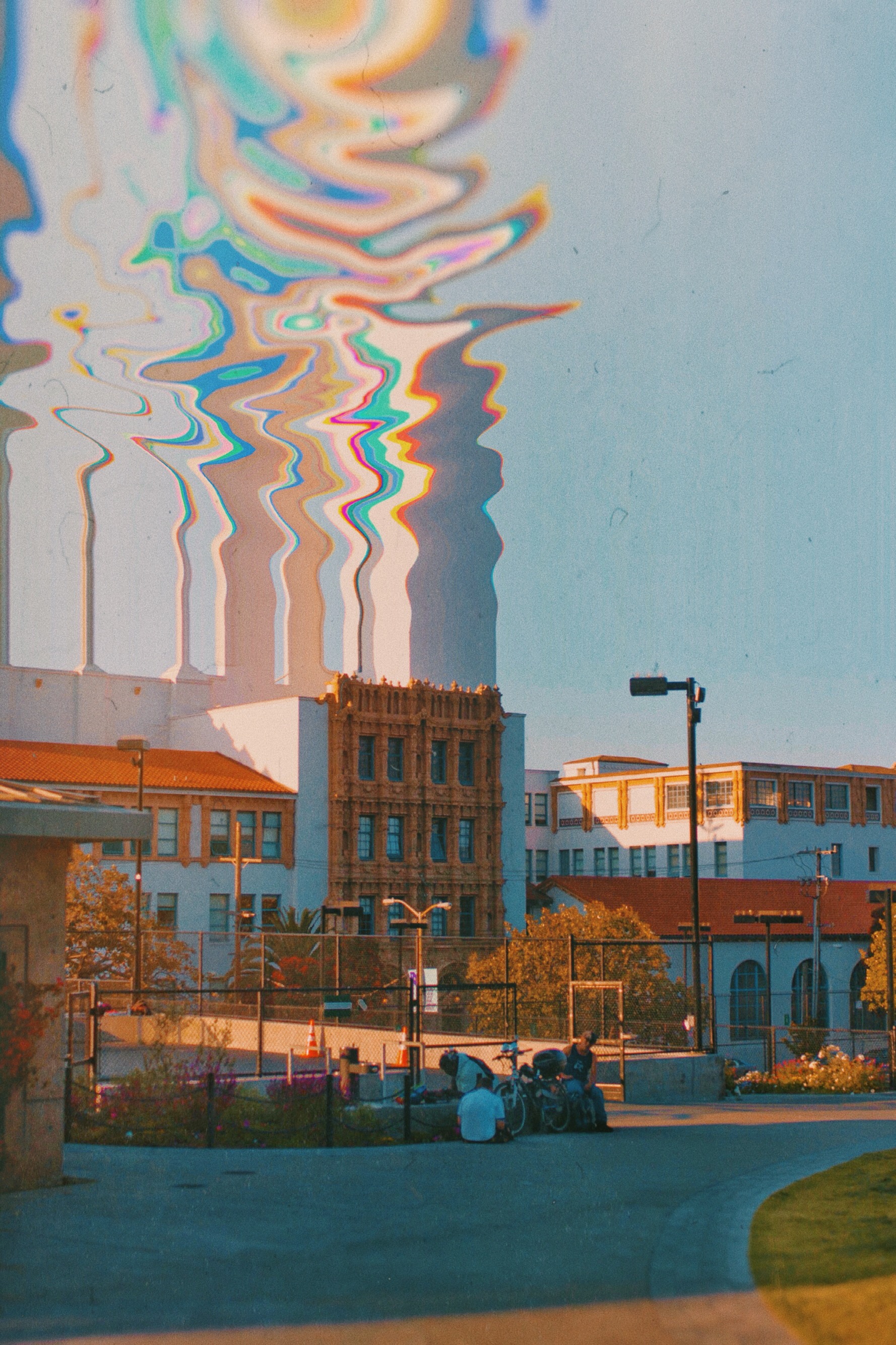
Mishko creates corrupted digital portraits that have caught the attention of Disney, Adobe, Warner Music Group, and Sony Music. His process blends databending with precise compositing, producing commercial-grade glitch work that maintains the raw energy of genuine corruption. His client roster proves that glitch aesthetics have moved firmly into mainstream visual culture.

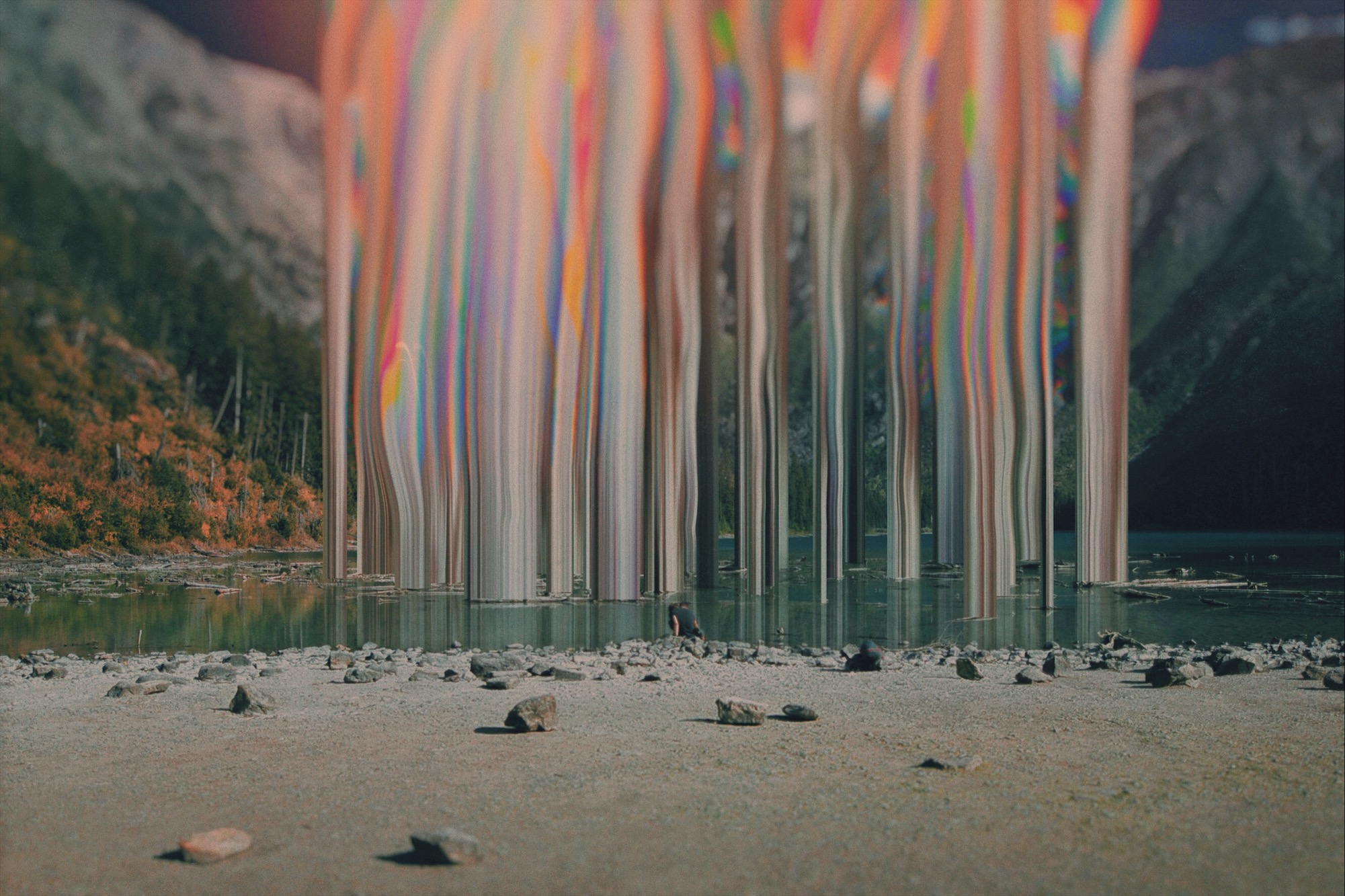
- Website: mishko.co
- Full profile: Mishko on Glitchology
9. Miles Johnston
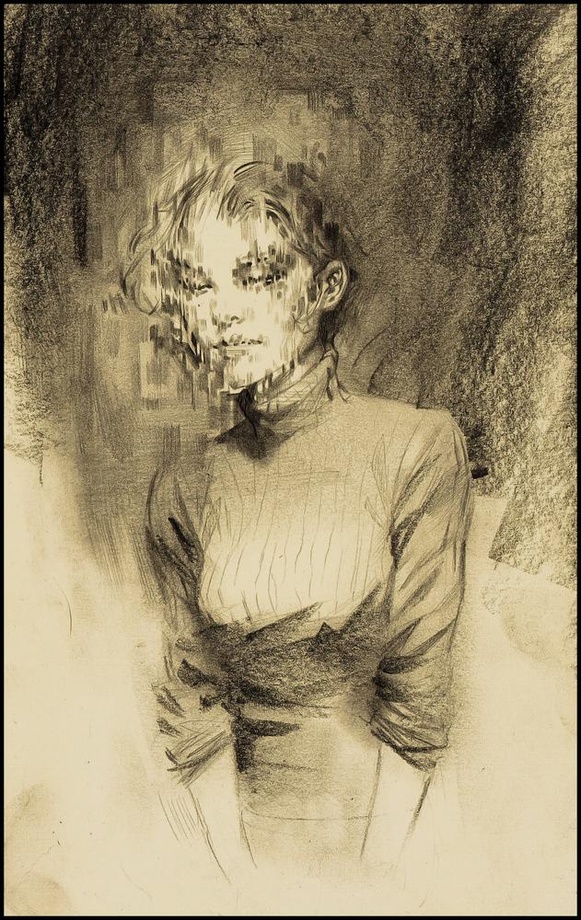
Miles Johnston creates hand-drawn graphite works that look like digital glitches — faces that split, warp, and fragment as if corrupted by invisible data errors. His work proves that glitch drawing doesn’t require a computer. Working entirely in pencil and oils, Johnston demonstrates that the glitch aesthetic transcends digital media.
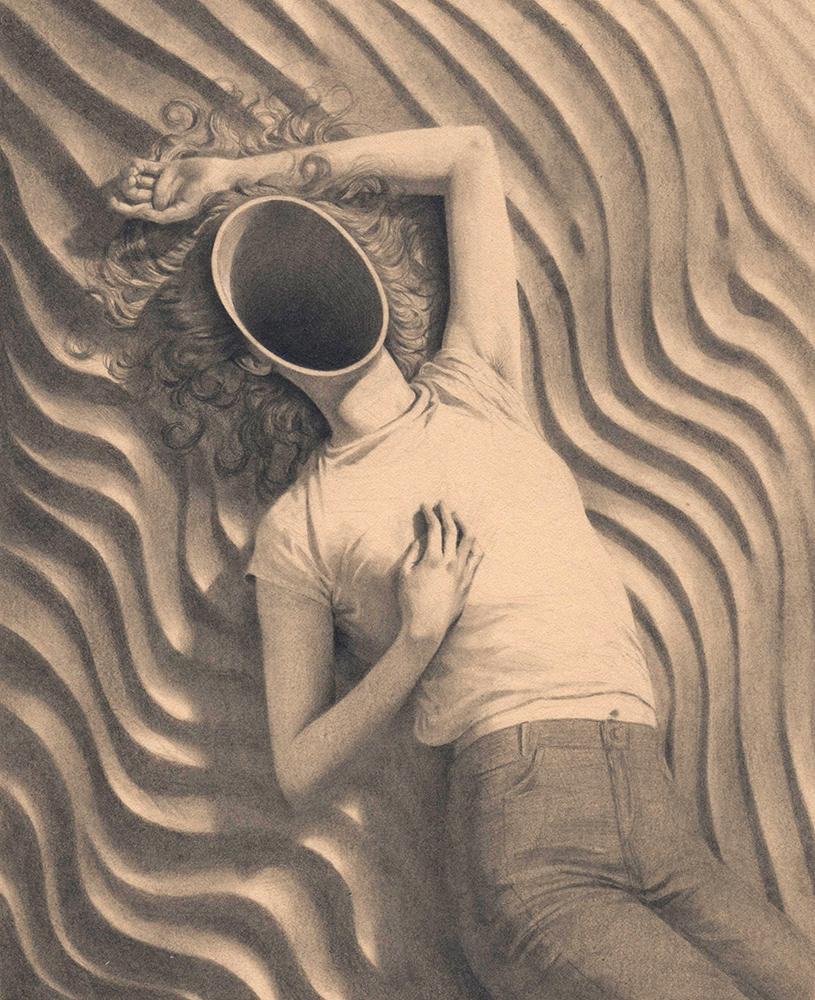
- Website: milesjohnstonart.com
- Full profile: Miles Johnston on Glitchology
10. Rosa Menkman
Rosa Menkman is both a practitioner and the leading theorist of glitch art. Her Glitch Studies Manifesto (2010) remains the most cited framework for understanding glitch as an artistic practice. Her visual work deliberately breaks codecs, compression algorithms, and signal processing chains, then documents and analyzes the results. She bridges the gap between glitch as visual art and glitch as critical media theory.
- Website: beyondresolution.info
11. Kim Asendorf
Kim Asendorf created the pixel sorting algorithm that became one of the most widely adopted glitch art techniques. His open-source Processing script sorts pixels by brightness, hue, or saturation, producing the signature flowing, melted streaks that defined a generation of glitch imagery. Beyond pixel sorting, Asendorf works across generative art, web-based art, and creative coding.
- Website: kimasendorf.com